US Tells Lebanon Hezbollah Disarmament Steps Are ‘Not Enough’
Washington warned Beirut that Israel will keep operating in south Lebanon until Hezbollah is disarmed, The New Arab reports, as Salam meets Rubio in Washington.
BEIRUT — Sep 30, 2026 — Washington has told Lebanon that its steps to bring Hezbollah’s weapons under state control are “not enough” and that Israel will keep operating in the south until the group is disarmed, according to The New Arab, which cited information it obtained. Prime Minister Nawaf Salam met Secretary of State Marco Rubio in Washington this week, and Lebanese officials say the U.S.-brokered framework still requires obligations from all three sides.
The message to Salam
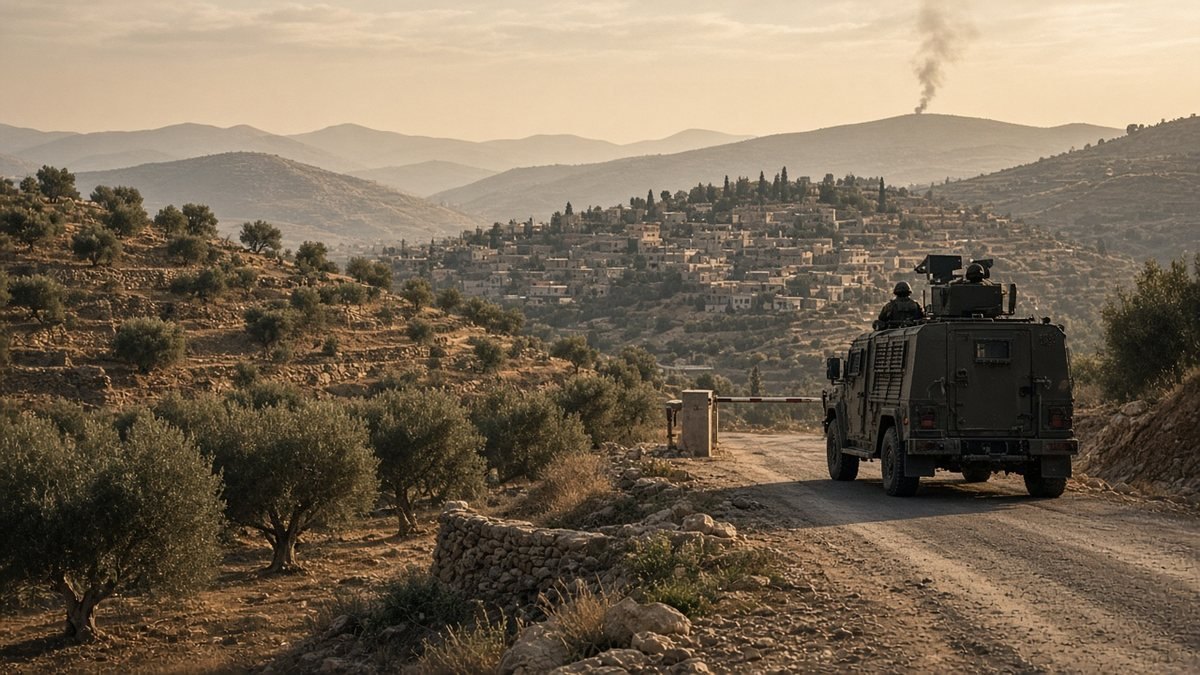
The New Arab reported that Salam received several warnings on the sidelines of the UN General Assembly, including that Israel intends to keep the security zone it has set up in southern Lebanon. U.S. officials reportedly said Israel would continue operations “as long as the Lebanese state does not take serious action to disarm Hezbollah,” and that efforts to put all weapons under state control must be accelerated. The report is based on unnamed sourcing and neither Washington nor Beirut has confirmed its wording.
Salam told Lebanon’s MTV that his message in the United States was consistent: reciprocity and a phased approach, with a framework that is “not bilateral but trilateral,” involving Lebanese, American and Israeli obligations, according to the station’s headline. Asharq Al-Awsat reported that he pressed Rubio for fuller implementation of the agreement. Lebanon’s army deployed in two “pilot zones” in July, but the agreement’s implementation has stalled since then, the newspaper said.
Hezbollah’s position
Hezbollah has not accepted disarmament. Its parliamentary sources told The New Arab that the group is open to discussing its weapons inside Lebanon as part of a national defense strategy, but only after Israel fully halts attacks and withdraws. Secretary-General Naim Qassem said on Sunday that “Lebanon without resistance will disappear” and urged the government to suspend direct talks in favor of indirect negotiations. The same sources said Hezbollah is watching U.S.–Iran diplomacy, since Tehran has made Lebanon an issue in its talks with Washington.
Strikes continue in the south
Israeli forces carried out a series of attacks in southern Lebanon in recent hours, including what The New Arab described as the first Apache helicopter strike in the current escalation, plus machine-gun fire near Kfar Shuba and a detonation in Mais al-Jabal. Israeli media, cited by The New Arab, suggested the south could enter a new phase after Israel finished what it called “clearing” operations on the Ali al-Taher heights.
Not every incident was an attack. The Lebanese army said an explosion in Nabatieh al-Fawqa that wounded a soldier and three civilians was caused by a “suspicious object,” after it had first described the incident as an Israeli strike, Asharq Al-Awsat reported.
What could change next
Direct Lebanon–Israel negotiations remain suspended even though Washington had announced talks for October, The New Arab said. The outlet reported that prospects for a solution are receding at least until Israel’s parliamentary elections on Oct. 27. It also said Arab and European governments expressed support for Lebanon’s demand that Israel stop its attacks and withdraw, and for arrangements to cover a security vacuum if the mandate of the UN force in Lebanon, UNIFIL, expires without renewal.
For Beirut the bind is stark. The United States wants faster disarmament, Hezbollah wants Israeli withdrawal first, and Israel is acting on the ground in the meantime. Unless one of those positions moves, implementation is likely to remain stalled at the two pilot zones the army took over in July.
Sources
- The New Arab: US tells Lebanon Hezbollah disarmament efforts ‘not enough’
- Asharq Al-Awsat: Israeli strikes kill six people in Gaza, medics say (Lebanon update)
- MTV Lebanon: Salam on reciprocity, phased approach and the trilateral framework