Israel Strikes South Lebanon After Hezbollah Drone Launch
IDF hits Hezbollah sites after an explosive drone toward Israeli troops as Qassem marks Nasrallah’s death anniversary in Beirut.
BEIRUT — September 27, 2026. Israeli forces struck Hezbollah-linked targets across south Lebanon after the group launched an explosive-laden drone toward Israeli troops, while Hezbollah leader Naim Qassem told a Beirut anniversary crowd that Israel had failed to “break the resistance.”
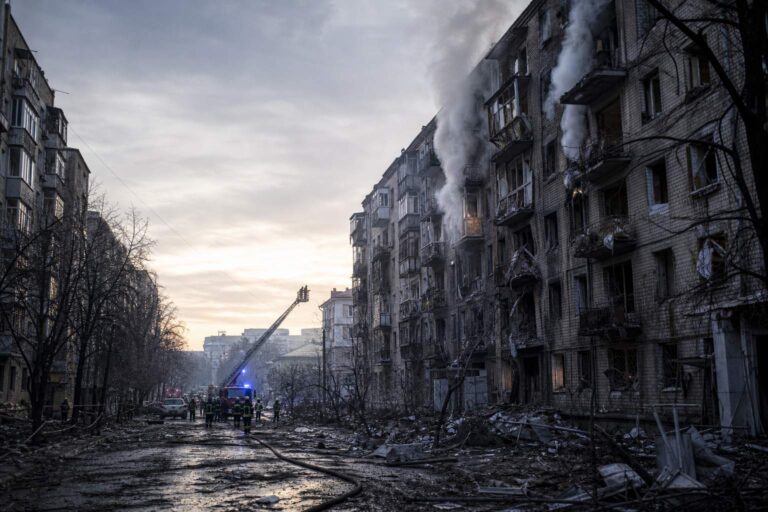
The Israeli army said Saturday night strikes answered a “booby-trapped drone” that caused no injuries, according to Arabic-language spokesperson Ella Waweya. Targets included sites used to launch explosive drones and anti-tank missiles at Israeli forces in the self-declared security zone, plus other infrastructure. L’Orient Today reported that Sunday brought a wider wave: an Apache helicopter struck a commercial building on the Mayfadoun–Shoukin road in Nabatieh district, with a second strike forcing rescuers back; artillery, Merkava tank fire and demolitions hit localities across Nabatieh, Marjayoun, Bint Jbeil and Sour, including Mansouri, Haddatha, Aitaroun and Khiam’s outskirts. Al Jazeera video reporting likewise described continued Israeli strikes and shelling despite a U.S.-brokered ceasefire framework.
Anniversary politics in Beirut
In Beirut’s southern suburbs, Qassem addressed thousands marking two years since Israel killed longtime Hezbollah leader Hassan Nasrallah on September 27, 2024. Hezbollah, he said, had shown that Israel “were unable to achieve their goals to break the resistance, end its existence, consolidate the Israeli occupation and establish settlements in Lebanon.” The speech doubles as a refusal narrative: even after leadership losses, ridge demolitions and a roughly 10-kilometer Israeli occupation strip, the movement claims organizational survival as victory.
That claim collides with the military picture south of the Litani. Israeli forces still hold positions inside Lebanon, UNIFIL and local media continue to map fortified points, and weekend fire reached beyond the occupied belt into Jezzine-area heights such as Sojod, where the Israeli army said it hit a Hezbollah arms depot. Lebanese civilians in border districts face the familiar mix of artillery, machine-gun fire, demolitions and intermittent air strikes while politicians argue over how — or whether — to implement Hezbollah disarmament clauses in the Washington framework.
Framework under fire
The escalation pattern is reciprocal signaling. Hezbollah’s drone launch, even without casualties, asserts that Israeli troops inside Lebanon remain targetable. Israel’s multi-district response asserts that any such launch will be answered with infrastructure and launcher strikes, not diplomatic notes. Finance Minister Bezalel Smotrich’s same-day call to annex up to the Litani adds a political accelerant: if parts of Israel’s coalition treat the Litani as a future border, Lebanese incentives to disarm Hezbollah in exchange for a full Israeli withdrawal weaken.
For Washington and Paris, the weekend underscored how thin the ceasefire paper is. Framework language assumed Hezbollah pullback, Lebanese army deployment in pilot zones and Israeli withdrawal. On the ground, drones still fly, Apaches still strike shopfronts, and Qassem still defines survival as success. Until those three facts change together, south Lebanon remains a low-boil war with anniversary speeches as its soundtrack.
Sources
- L’Orient Today: Israel targets localities after Hezbollah drone
- Arab News / AFP: Qassem says Israel unable to break the resistance
- Al Jazeera: Israeli strikes continue in southern Lebanon