Waltz Says Iran Sought Upfront Relief Before Hormuz Talks
UN Ambassador Mike Waltz says Trump rejected Iran’s Hormuz reopen plan because Tehran wanted sanctions relief before nuclear negotiations.

NEW YORK — September 27, 2026. U.S. Ambassador to the United Nations Mike Waltz said Washington rejected Iran’s latest proposal to reopen the Strait of Hormuz because Tehran wanted sweeping sanctions relief “up front” before any serious nuclear talks, deepening a deadlock days after Iranian diplomats pitched a seven-day roadmap at the U.N. General Assembly.
On CNN’s State of the Union, Waltz said Iranian negotiators sought relief “from billions and billions of sanctions” tied to the economic blockade meant to curb attacks on shipping, then offered only a promise to talk later. “The president is just not confident that the Iranians are coming in good faith and that we will truly negotiate the end of their nuclear program,” he said. President Donald Trump had already called the plan unacceptable on Saturday, claiming Iran was “losing so badly” and that the United States held “total control” of the strait. Axios quoted Trump on Sunday saying more talks were expected this week, but “it is not the deal that I want to make.”
Tehran’s dual message
Iranian Foreign Minister Abbas Araghchi insisted conditions for reopening the strait remain clear and that “only a negotiated solution” can break the deadlock. On NBC’s Meet the Press he said Iran was “fully prepared for the war to be resumed” while still ready for diplomacy — a formulation that keeps military escalation and bargaining on the same table. President Masoud Pezeshkian, in a Face the Nation interview aired Sunday, said Tehran would not accept “bullying or coercion,” reiterated that Iran is “not supposed to develop nuclear weapons,” and tied any return to staged talks to the June memorandum of understanding path that collapsed amid shipping-lane disputes and renewed fighting.
Waltz pointed to that June MOU, signed in Pakistan, as evidence of Iranian bad faith, saying Tehran “immediately violated it by attacking international shipping” and citing a broad international condemnation. Iranian officials counter that the United States failed to honor sequencing on routes and sanctions. Both sides are arguing from the wreckage of the same document.
What “control” of Hormuz means
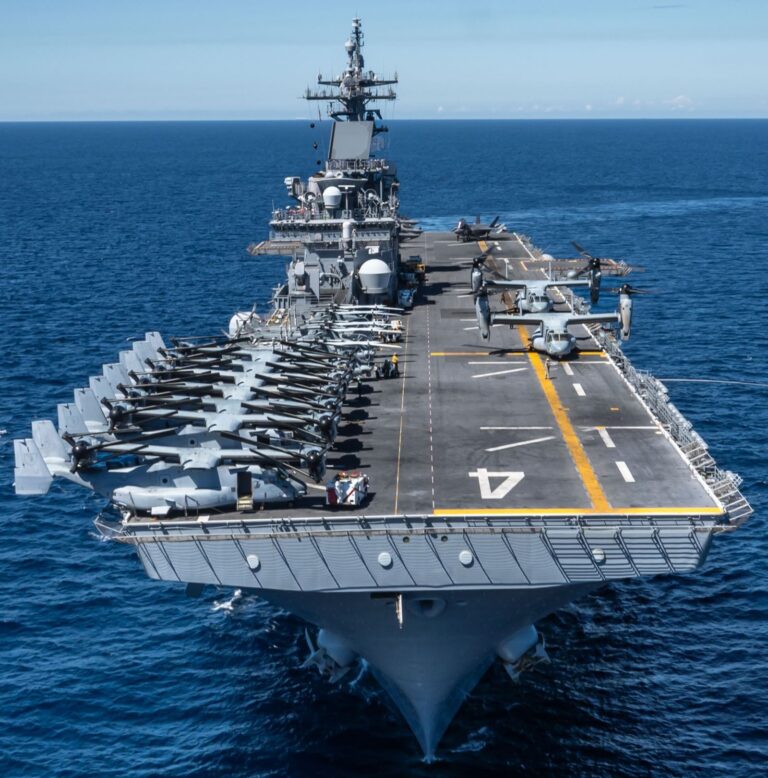
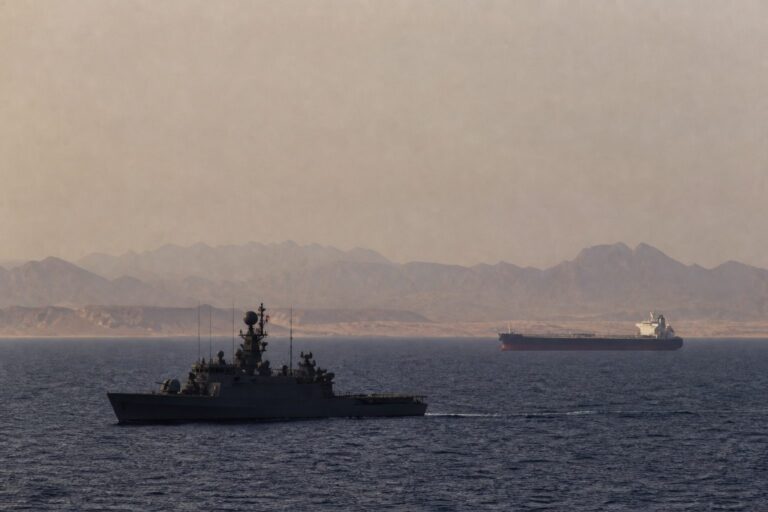
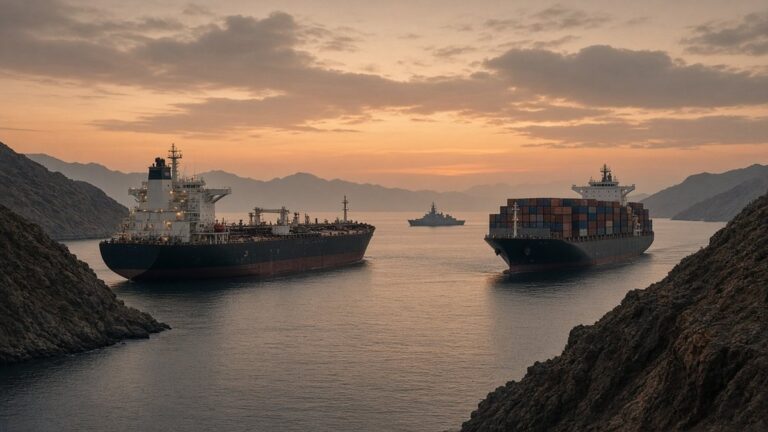
Trump’s claim of total control and Iran’s seven-day reopen offer describe the same chokepoint from opposite political needs. Washington wants nuclear limits and an end to IRGC pressure on shipping before loosening the blockade. Tehran wants the blockade, frozen assets and strike threats eased before opening the waterway and restarting wider talks. Mediators — Qatar among them — are still shuttling messages, and Araghchi has said Iran is waiting for a “definitive” U.S. reply through those channels rather than television soundbites.
Waltz also said Trump has pressed China’s Xi Jinping over reported Chinese assistance related to Iranian targeting in the strait, claiming “movement in a positive direction” and citing summit language that Iran must never have a nuclear weapon. He rejected Wall Street Journal reporting that the United States would resume bombing Iran after November midterms. For energy markets and navies still routing around a contested Gulf, the immediate fact is simpler: the public track of the UNGA week closed with a U.S. rejection, Iranian threats and offers in the same breath, and no verified date for Hormuz to reopen.
Sources
- The Guardian: Waltz says Iran not negotiating in good faith
- CBS Face the Nation transcript: Pezeshkian interview
- RNZ: Iran awaiting definitive US response despite Trump rejection