Israeli Strike on Khiam Triggers South Lebanon Power Outage
An Israeli strike on Khiam cut power across part of south Lebanon, NNA reported, as Israeli shelling and demolitions hit Mansouri and Baraachit.
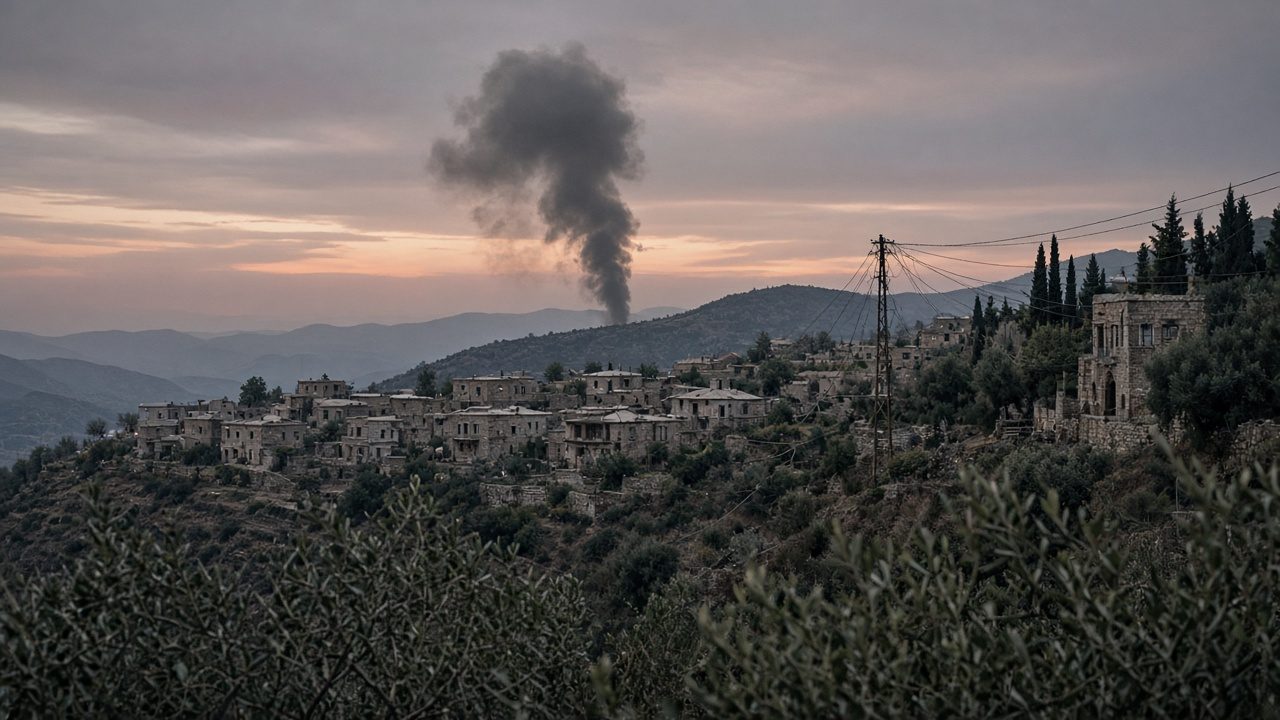
BEIRUT / JERUSALEM — September 23, 2026. An Israeli air strike on al-Khiam in southern Lebanon damaged power lines and caused a complete outage in the Nabaa el-Hamas area overnight, Lebanon’s National News Agency reported, after a large explosion in Khiam sent shockwaves across the south and as Israeli artillery and demolitions continued around Mansouri, Baraachit and nearby towns.
NNA said Israeli forces had advanced toward Mansouri with vehicles and bulldozers, booby-trapped houses in the town’s Fourth Neighbourhood and detonated them under accompanying artillery fire. Zahrani took concentrated shelling; Khiam saw vehicle positioning near the Hammam area and sweeping fire that set houses alight; Baraachit and Hadatha outskirts were shelled under drone flights. Israeli media separately reported a large controlled explosion near Khiam. The pattern matches weeks of daily air and ground strikes Israel says target Hezbollah reconstruction and attack preparations.
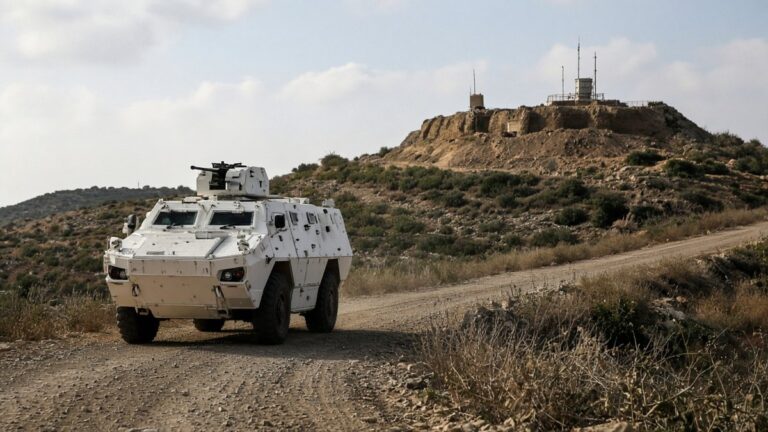
The June 26 U.S.-brokered framework — gradual Israeli withdrawal in exchange for Lebanese Army deployment and Hezbollah disarmament — remains stalled. Hezbollah refuses to surrender weapons; Israel refuses to pull back until it does. UNIFIL’s recent mapping of nearly thirty Israeli positions and eight fortified bases across south Lebanon underscored how far the “security zone” has hardened since the 2023–24 war and the current escalation that Lebanese authorities say has killed thousands and displaced more than a million since March.
Israeli Officials See Hezbollah Rebuilding
Israeli security officials, speaking in Jerusalem Post reporting this week, describe Hezbollah as restrained for now but rebuilding with Iranian support, especially aircraft and fiber-optic drones — a force that could open a northern front if Tehran ordered wider participation in the U.S.-Israel–Iran war. That assessment justifies, in Israeli planning, continuous strikes on southern infrastructure even while Gaza negotiations with Hamas over disarmament are described as deadlocked. The “Ali Taher Ridge” model — seize and dismantle underground networks — is being cited by IDF officials as a template they want applied more aggressively in Gaza City as well.
For civilians in Nabatieh and Bint Jbeil governorates the distinction between “framework compliance” and “ongoing war” is academic. Power outages, detonated homes and artillery on town outskirts are the daily measure. UNIFIL’s observation role continues under fire risk; the Lebanese Army lacks the capacity or political mandate to disarm Hezbollah on Israel’s timeline. Every controlled explosion in Khiam and Mansouri deepens the facts on the ground that any future withdrawal deal would have to unwind.
What September 23’s Khiam strike and regional shelling measure is a frozen diplomatic text under a hot tactical war. Until Hezbollah’s weapons status and Israel’s fortified positions are negotiated together — not sequenced as preconditions that neither side will grant first — south Lebanon will keep recording outages, demolitions and casualty counts inside a framework that exists mainly on paper.
Sources
- Dawn: Israeli attack in southern Lebanon causes power outage
- National News Agency (Lebanon): Israeli artillery shelling targets Al-Mansouri, Baraachit; several houses detonated in Mansouri
- Naharnet: Israeli detonation in Khiam leaves widespread destruction across nearby towns