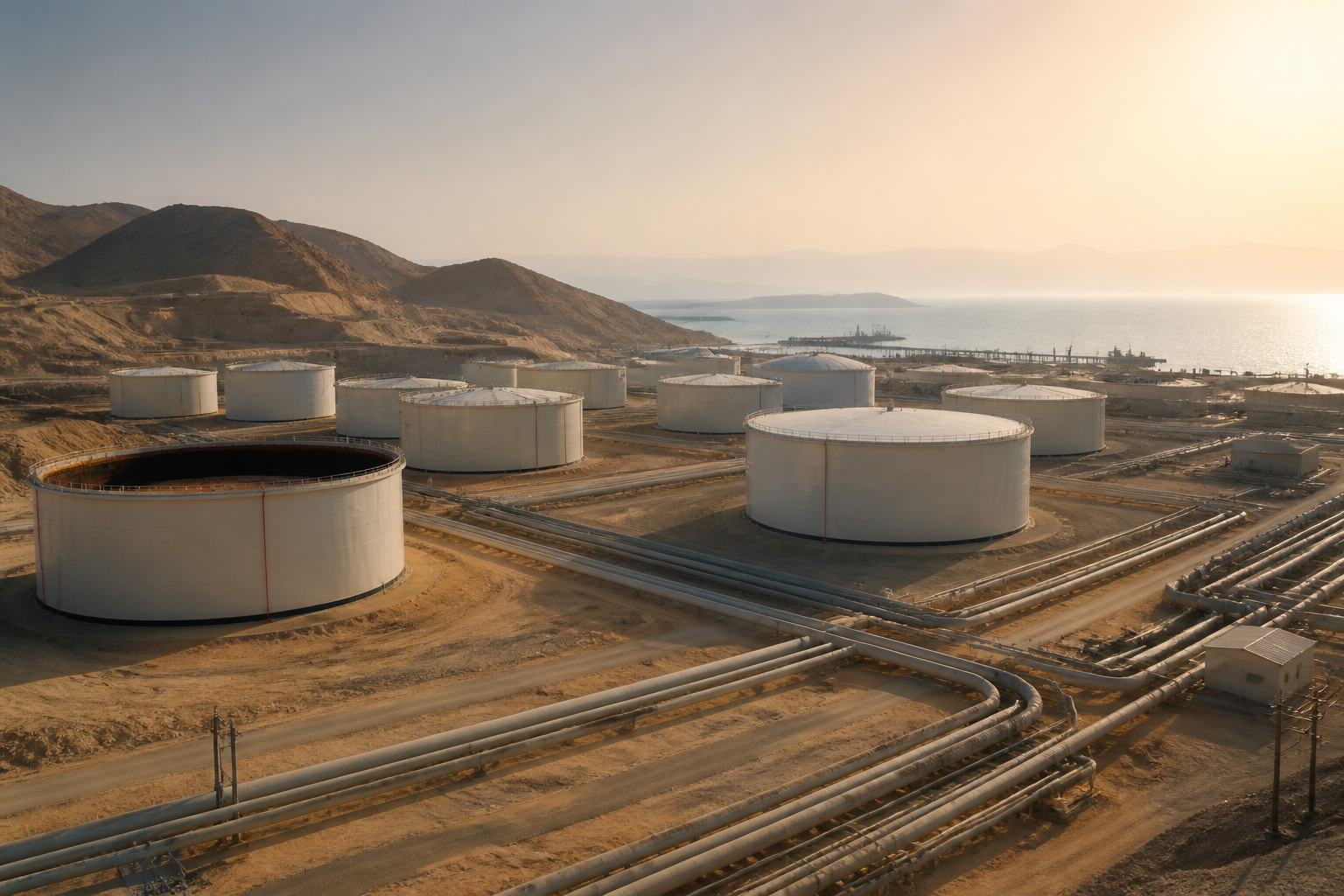
SINGAPORE / SOHAR / RIYADH — September 18, 2026. Saudi Aramco has sold roughly sixty million barrels of crude for September and October loading through ship-to-ship transfers at Oman’s Port of Sohar, trade sources told Reuters on Friday — a commercial workaround that moves Ras Tanura cargoes through the Strait of Hormuz on Saudi risk before topping up Asian VLCCs outside the Gulf after East-West pipeline damage choked Yanbu exports.
Multiple traders said Chinese and South Korean refiners are among the top spot buyers, with additional volumes headed to India and Japan. The rebound in Gulf-side Aramco exports to roughly one million to one and a half million barrels per day on average — similar to or slightly above August — has already cooled global oil prices by promising to replace part of the Red Sea shortfall created when attacks disrupted the East-West pipeline and slowed Yanbu loadings. Aramco did not immediately comment outside office hours.
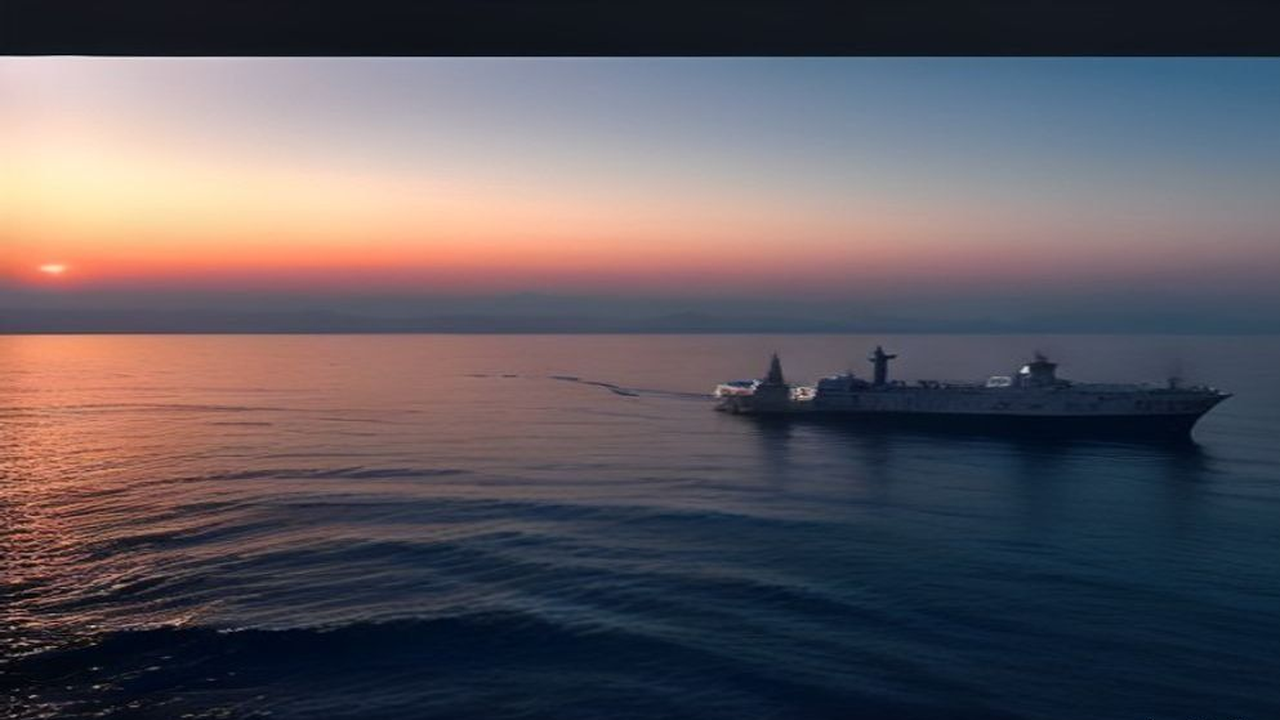
The mechanics matter as much as the headline barrel count. Shuttle tankers lift at Ras Tanura inside the Gulf, transit Hormuz, then transfer to very large crude carriers off Sohar so destination owners can avoid lingering inside the highest-risk zone. Japan’s Petroleum Association said Friday that domestic refiners have secured sufficient crude through November and pointed to those outside-strait transfers; PAJ President Shunichi Kito noted that in some cases oil “passes through the Strait of Hormuz at Saudi Arabia’s risk before being transferred to us outside the Gulf,” which is why Saudi supply “has not ceased entirely.” Freight tells the stress underneath the workaround: the Worldscale rate to hire a VLCC from Fujairah to Asia for early October cargoes hit a record eight hundred this week, according to shipbrokers.
This is a different story from yesterday’s CENTCOM claim that Hormuz “remains open” beside a three-ship commodity transit day, and from midweek narratives about fragile daytime VLCC recovery. Those pieces measured military messaging and sparse AIS counts. Friday’s Aramco-Sohar tape measures how the world’s largest oil exporter reroutes commercial risk when a Red Sea artery is damaged and Gulf war insurance remains punishing. Oman becomes a hub not because Hormuz is calm, but because transferring outside the strait is the price of keeping Asian refiners stocked.
Markets read the sixty-million-barrel package as temporary relief, not structural peace. Brent eased more than a dollar on the combined reports of partial East-West capacity recovery hopes and heavier Sohar STS offerings. Yet record freight, war-risk premiums and the need for Saudi-risk Hormuz shuttles advertise how brittle the patch is. If shuttle availability, STS weather windows or another pipeline or terminal hit interrupts the chain, the same Asian buyers now taking Arab Light, Medium and Heavy via Oman will be back to scrambling.
For Riyadh, the Sohar channel protects market share and cash flow while Yanbu heals. For Beijing, Seoul, New Delhi and Tokyo, it is proof that Saudi barrels can still arrive if someone else eats the strait transit risk. For Washington and Tehran, it is a reminder that commercial ingenuity can soften a chokepoint crisis without ending it. Sixty million barrels through Oman will not reopen Hormuz. They will decide how expensive the next two months of Asian crude cover feel while the war’s maritime rules remain unsettled. Traders will watch whether October STS windows hold, whether Yanbu recovers meaningful volume, and whether another strike on pipelines or terminals forces Aramco to lean even harder on the Omani hub that has suddenly become central to Saudi Asia sales.