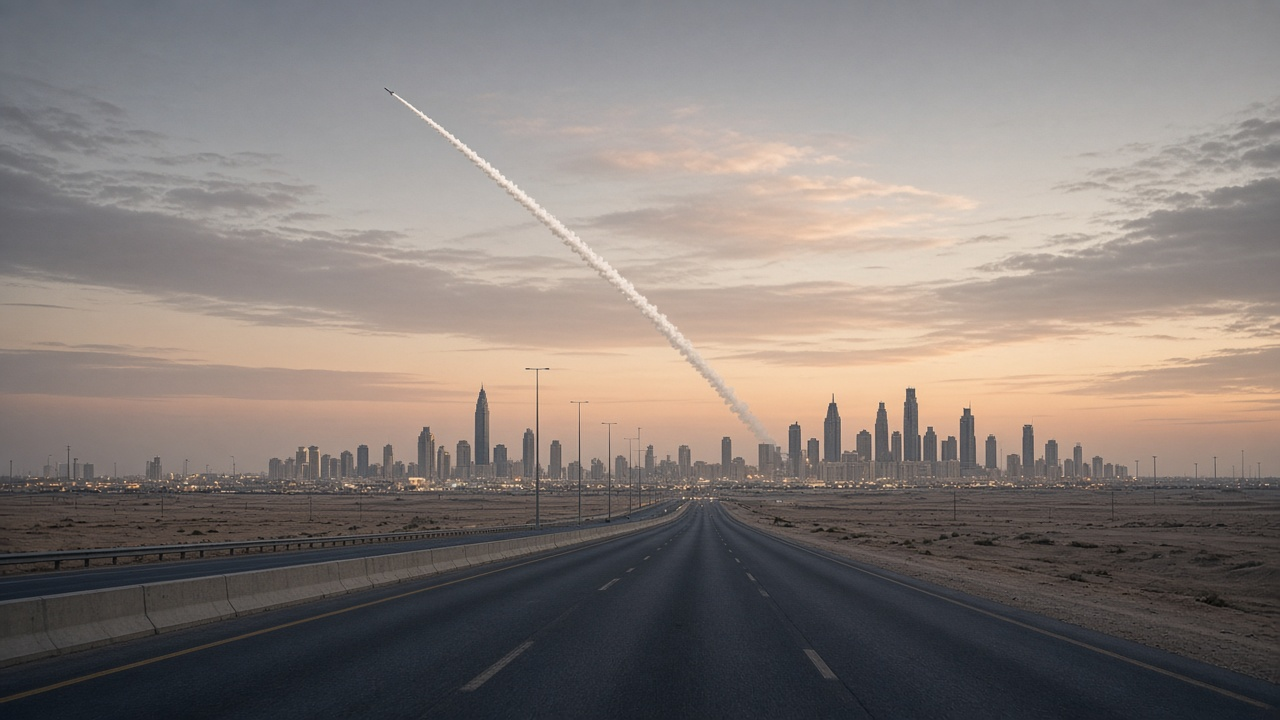
RIYADH / SANAA / MUSCAT — September 17, 2026. Saudi Arabia is running low on missile interceptors and has asked France, Pakistan, Egypt and the United Kingdom to send air-defense help against Yemen’s Houthis, two officials told the Associated Press — a request that exposes how the wider U.S.–Iran war has drained American stocks that Riyadh normally leans on, even as Houthi spokesman Yahya Saree claimed forty Saudi airstrikes across Taiz, Marib and Hodeidah in twenty-four hours and fresh attacks on the Red Sea oil hub of Yanbu and the Khamis Mushait airbase.
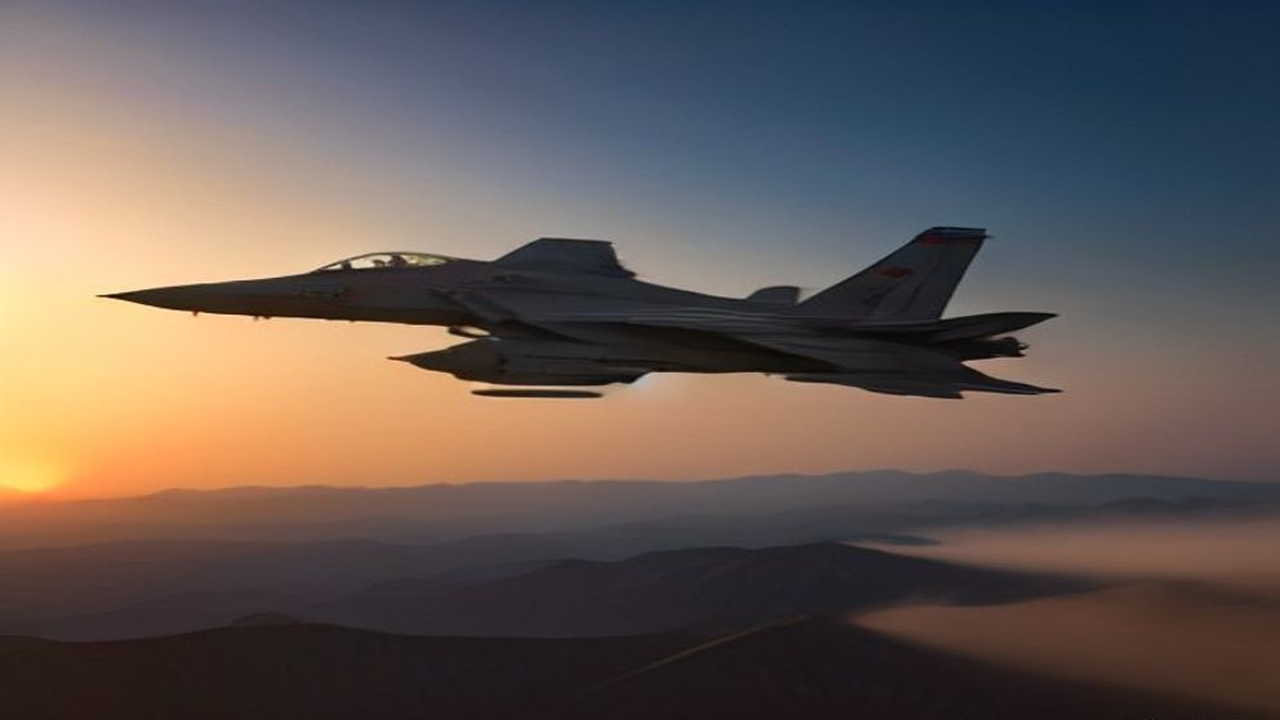
The interceptor crunch is the strategic story beneath the kinetic headlines. One official said Washington’s own interceptor inventories have dwindled through months of fighting Iran, leaving Saudi Arabia — America’s principal Gulf arms customer — shopping among secondary suppliers. That shortage arrives as the Iran-backed Houthis press a lightning Red Sea advance that has put Bab al-Mandab under sharper threat and as Houthi media released video purporting to show a Saudi F-15 shot down over Marib with a “locally manufactured” surface-to-air missile. Footage circulated by the group shows fighters inspecting wreckage and raising a tailfin bearing a Saudi flag and the identification number 5539. Riyadh has not confirmed the loss; open-source analysts caution that the clip could be informational warfare even if the airframe loss is real.
Saree’s claim of strikes on Yanbu and Khamis Mushait maps onto Tuesday’s Saudi alert geography. Saudi-backed Yemeni government forces separately said the coalition hit Houthi positions around Mocha and that government drones struck Houthi units in northern Marib. Fighting near heights overlooking Bab al-Mandab has intensified as both sides rush reinforcements — a reminder that the Red Sea corridor is now a second energy chokepoint beside the strained Strait of Hormuz.
U.S. Central Command spokesman Capt. Tim Hawkins told Al Jazeera the United States is “closely monitoring” the Saudi–Houthi fight and pointed to a longstanding military relationship with Riyadh that is “manifesting today.” At the same time, three sources told Reuters that U.S. officials held direct talks with Houthi representatives at the U.S. embassy in Muscat over the weekend, with Omani facilitation. According to those accounts, the Houthis said they did not intend to attack U.S. vessels and remained committed to their 2025 ceasefire with Washington; one source said they also pledged not to target Israeli or other commercial ships — with the exception of Saudi vessels. Parallel messaging from the U.S. embassy in Yemen, citing top diplomat Neil Hop, reaffirmed “strong support” for Yemen’s internationally recognized government against “Iran-backed Houthi aggression.”
The dual track — arming and advising Saudis while talking to Houthis in Muscat — is classic crisis management, but it also advertises limits. If Riyadh’s interceptor magazines are thin and U.S. stocks are stressed by Iran, every Houthi drone and ballistic missile salvo becomes harder to absorb. If the Marib F-15 claim is validated, Saudi air dominance over Yemen, long the coalition’s decisive edge, looks more contested. And if Bab al-Mandab traffic softens while Hormuz remains sparse, oil markets price a two-strait problem rather than a single Gulf shock.
China has privately pressed Tehran to help restrain the Houthis after a Saudi appeal to Beijing, Iranian sources familiar with the matter told Reuters on Thursday — another sign that Riyadh is shopping for influence as well as interceptors. Pakistan’s army chief, Field Marshal Asim Munir, has separately urged Iran to use its leverage to keep Houthi fire off Saudi energy infrastructure. Tehran publicly denies operational control of the Houthis even as Western and Gulf officials treat the group as an Iranian pressure valve.
For Washington, the Yemen escalation is both a flank of the Iran war and a test of whether a Muscat channel can quarantine American shipping while Saudi cities absorb the cost. For Riyadh, the ask to Paris, Islamabad, Cairo and London is an admission that the peacetime air-defense model is exhausted. For markets, Yanbu alerts and Bab al-Mandab skirmishes are the new risk premium sitting on top of Hormuz disruption. The interceptor shortage does not end the air war overnight. It does decide how long Saudi Arabia can fight it without allies physically plugging the magazine gap.