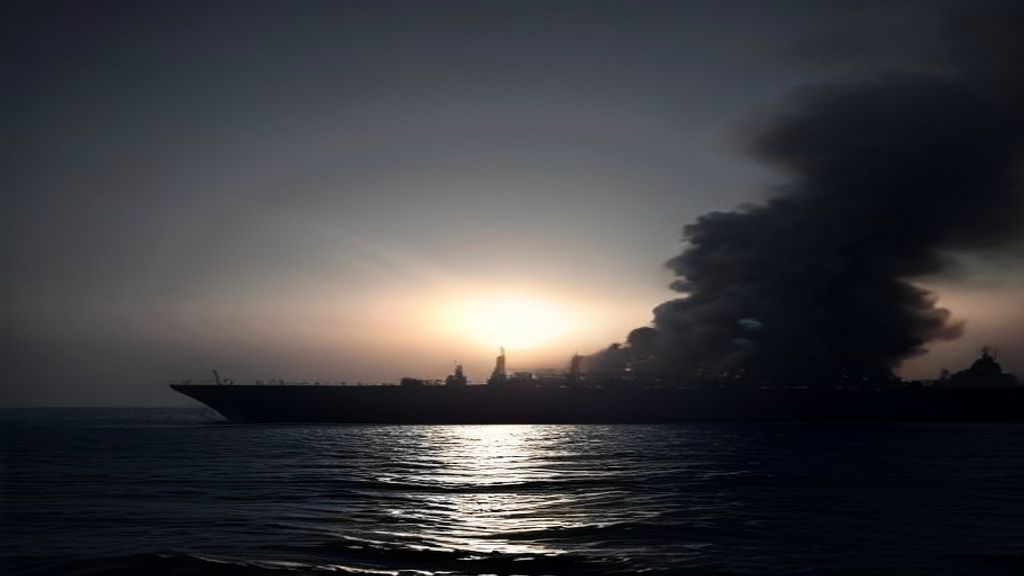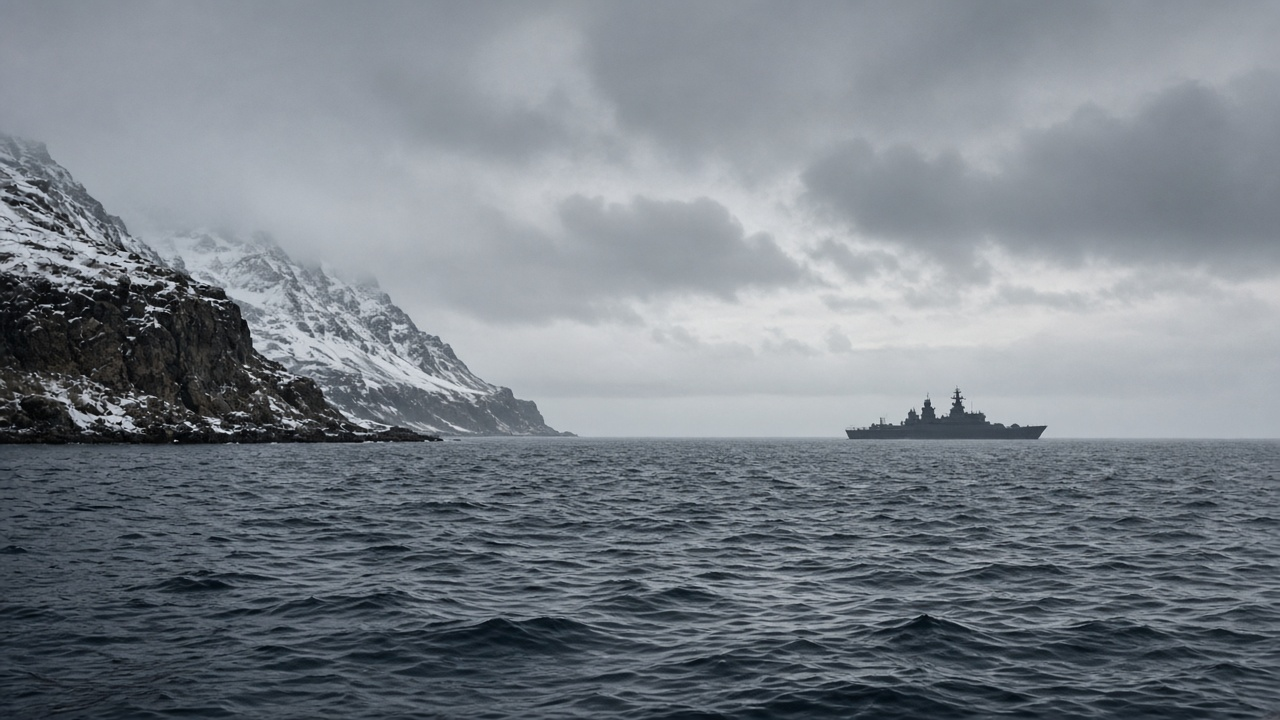
LONDON — September 11, 2026. Britain, Norway and the United States tracked and confronted Russian vessels near the Svalbard archipelago this spring as Moscow’s Main Directorate of Deep-Sea Research (GUGI) rehearsed deploying a clandestine weapon designed to disable undersea cables without leaving clear fingerprints, Western officials told Reuters in a September 10 exclusive now rippling through allied capitals. The Russian units used deep-sea submersibles to simulate the new technology; allied ships prevented the exercise from finishing and forced the vessels to leave. No cables were cut—the point of the disclosure, officials suggest, is deterrence through exposure.
The geography matters as much as the gadget. Two fiber-optic cables of roughly 1,400 kilometers link Svalbard to mainland Norway, diving as deep as about 2,700 meters and carrying satellite data from the SvalSat ground station—part of NASA’s Near Space Network and a node for polar downloads. The Bear Gap between Svalbard and mainland Norway is already a High North chokepoint for naval movement; a deniable cable weapon would let Russia threaten connectivity and financial traffic while preserving political ambiguity. Britain and Norway had disclosed a broader Arctic covert Russian activity picture in April; what is new is the weapon detail, the Svalbard location, and confirmed U.S. participation in the intercept.
Timing of the leak is itself a message. It arrives as European capitals debate Russian sabotage risk—from undersea infrastructure to drones found near airports—and as U.S. and NATO messaging insists Moscow is not seeking a direct NATO war even while practicing tools that would matter in one. CIA Director John Ratcliffe’s August Moscow visit, Reuters reported, partly carried warnings against escalating European sabotage. For Peter’s World readers, the Svalbard drill sits alongside Ukraine’s kinetic front: hybrid pressure on cables is how a stalled land war exports risk into the Atlantic and Arctic without formally crossing Article 5’s brightest lines—until the day a rehearsal becomes a cut.