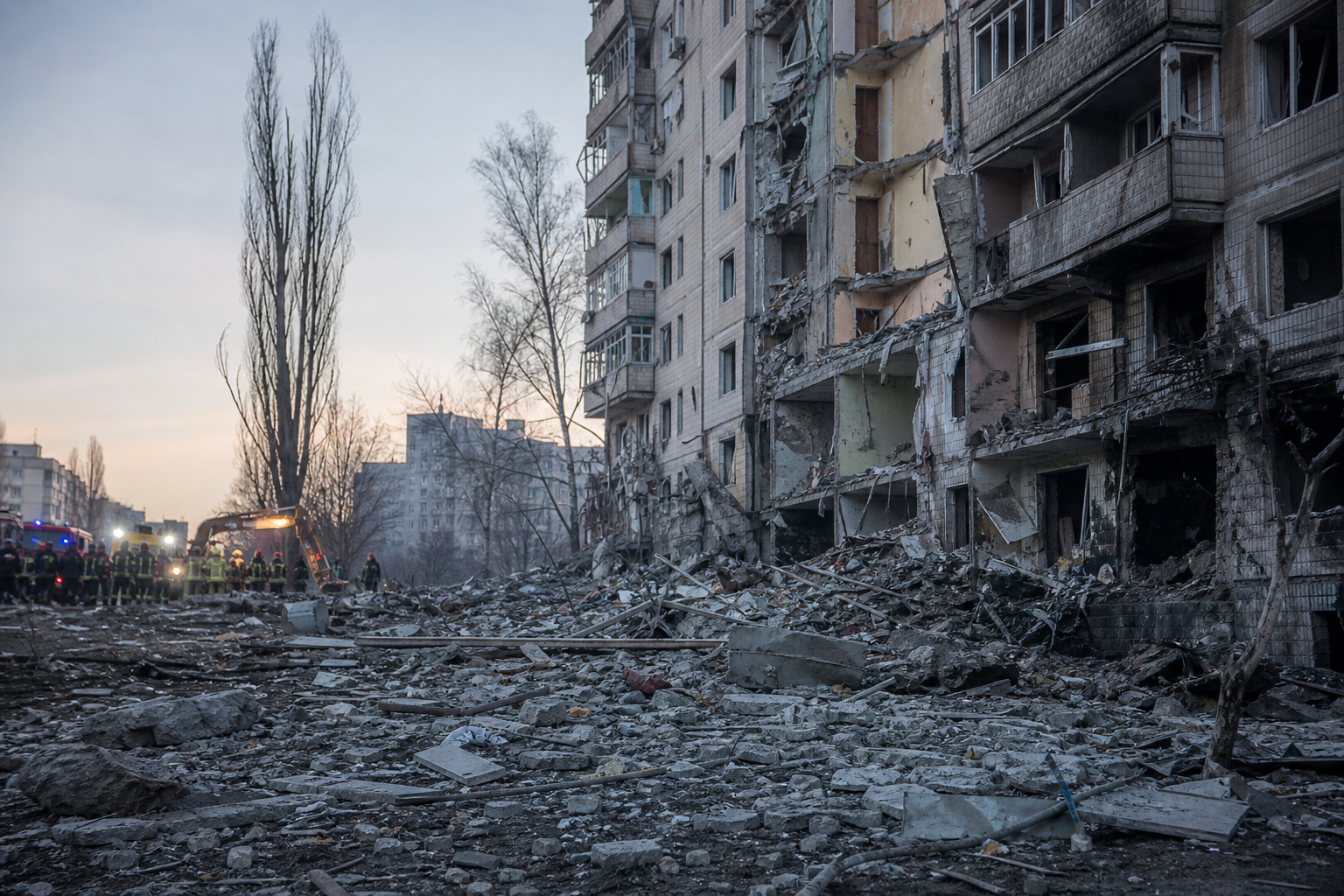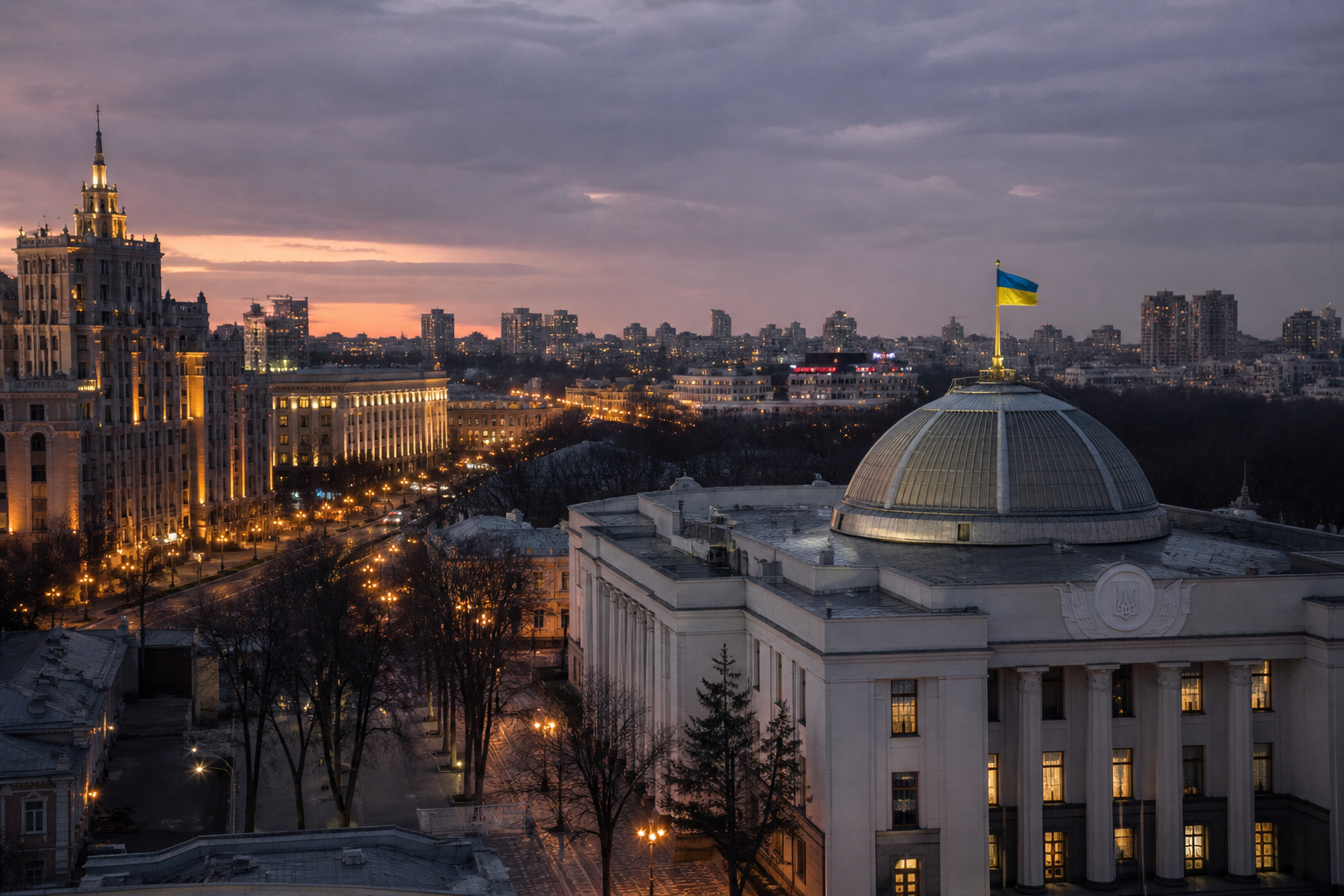
KYIV — September 6, 2026. Steve Witkoff and Jared Kushner arrived in Kyiv on Sunday after a late, three-hour-and-10-minute Kremlin meeting with Vladimir Putin, moving the Trump administration’s Ukraine diplomacy from Moscow’s negotiating room to the capital that has absorbed the war’s heaviest political pressure. The visit is their first public trip to Ukraine in their current roles, and its symbolism is difficult to miss: after multiple Moscow journeys, the American team now has to hear what Kyiv will accept, not only what Moscow says it can impose.
A White House official said the Saturday talks covered “substantive plans” for the next steps and that announcements could come in the next several weeks. Russian presidential aide Yuri Ushakov described the discussion as frank and said the Americans had listened to Moscow’s battlefield assessment. Those descriptions point to a process that is active but not yet convergent. No breakthrough was announced, and the central question remains the same one that has blocked earlier frameworks: Russia wants control over all of Donetsk, including territory it has not conquered, while Ukraine rejects surrendering areas still under its administration.
The sequencing matters. Witkoff and Kushner are not arriving with a signed settlement; they are carrying competing claims across a narrow diplomatic bridge. Moscow can present its territorial demands as the price of ending the war. Kyiv can argue that any agreement built on coerced withdrawal would turn a temporary pause into a new security vulnerability. The envoys’ credibility will depend on whether they distinguish a workable ceasefire from a demand that Ukraine ratify the battlefield as a permanent border.
The trip also comes after months in which Washington’s attention shifted toward the conflict with Iran and Kyiv faced a worsening interceptor shortage before winter. That makes the talks partly diplomatic and partly logistical. Ukraine needs a political channel with Washington, but it also needs confidence that a peace proposal will not quietly reduce its ability to defend cities while leaving Russian forces free to rearm. Security guarantees, verification and the order of concessions will matter as much as the headline language.
For now, the most realistic measure of progress is not a photo or a White House adjective. It is whether the Kyiv meetings produce a mechanism that can survive the first disputed map, missile strike or prisoner exchange. Witkoff and Kushner have moved the conversation to the place where its hardest test will occur. The coming weeks will show whether “next steps” means a genuine bridge between Moscow and Kyiv—or another diplomatic circuit around the same territorial deadlock.