A U.S. campaign to blockade Iranian oil exports and shut down sanctions-evasion finance is beginning to produce the kind of internal stress Tehran has spent years trying to avoid, according to senior Iranian sources and public statements from Iranian officials reported on September 4, 2026.
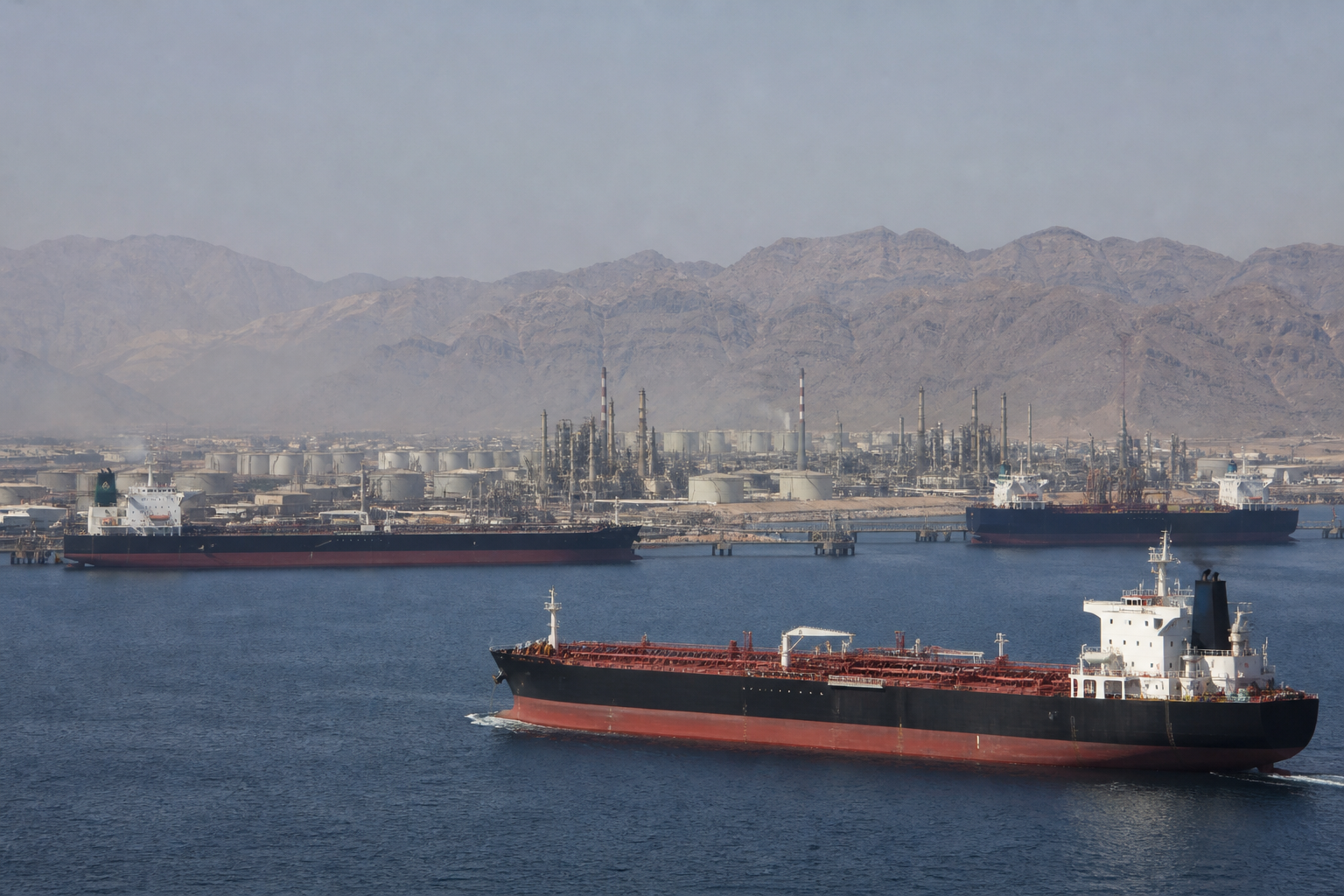
Commodity analytics firm Kpler’s data, cited in multiple reports, show Iranian crude loadings collapsing from roughly 1.7 million barrels a day a year earlier to about 260,000 barrels a day, with August figures in some tallies as low as 220,000–255,000. President Masoud Pezeshkian has said exports and imports have fallen by about 25 to 35 percent because of U.S. sanctions and the maritime blockade. Official inflation is approaching 70 percent; the rial has plunged to record lows beyond 2.2 million to the dollar; and one senior source said Iran has roughly two months of gasoline supply left despite being an oil producer, a consequence of limited refining capacity and import dependence.
Washington’s latest secondary sanctions aim less at the familiar “shadow fleet” itself than at the clearing networks that turn illicit oil into usable dollars. Iranian officials and traders say intermediaries are demanding higher premiums or stepping back entirely, while the United Arab Emirates’ August 19 halt on commercial and financial dealings with Tehran closed one of the regime’s most important regional conduits. The result is a feedback loop: fewer oil dollars, costlier imports, faster inflation, and less cash to pay the premiums that sanctions evasion requires.
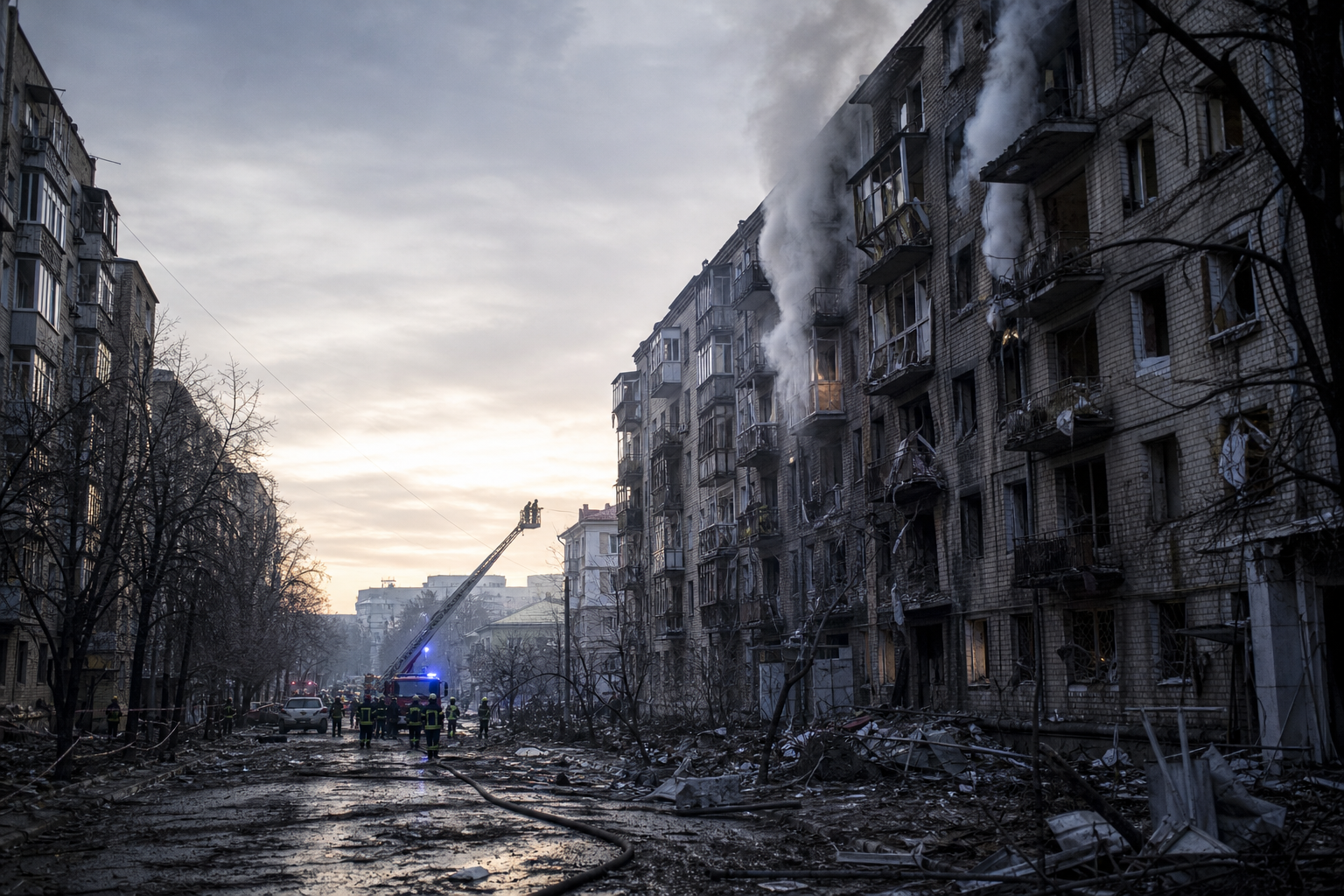
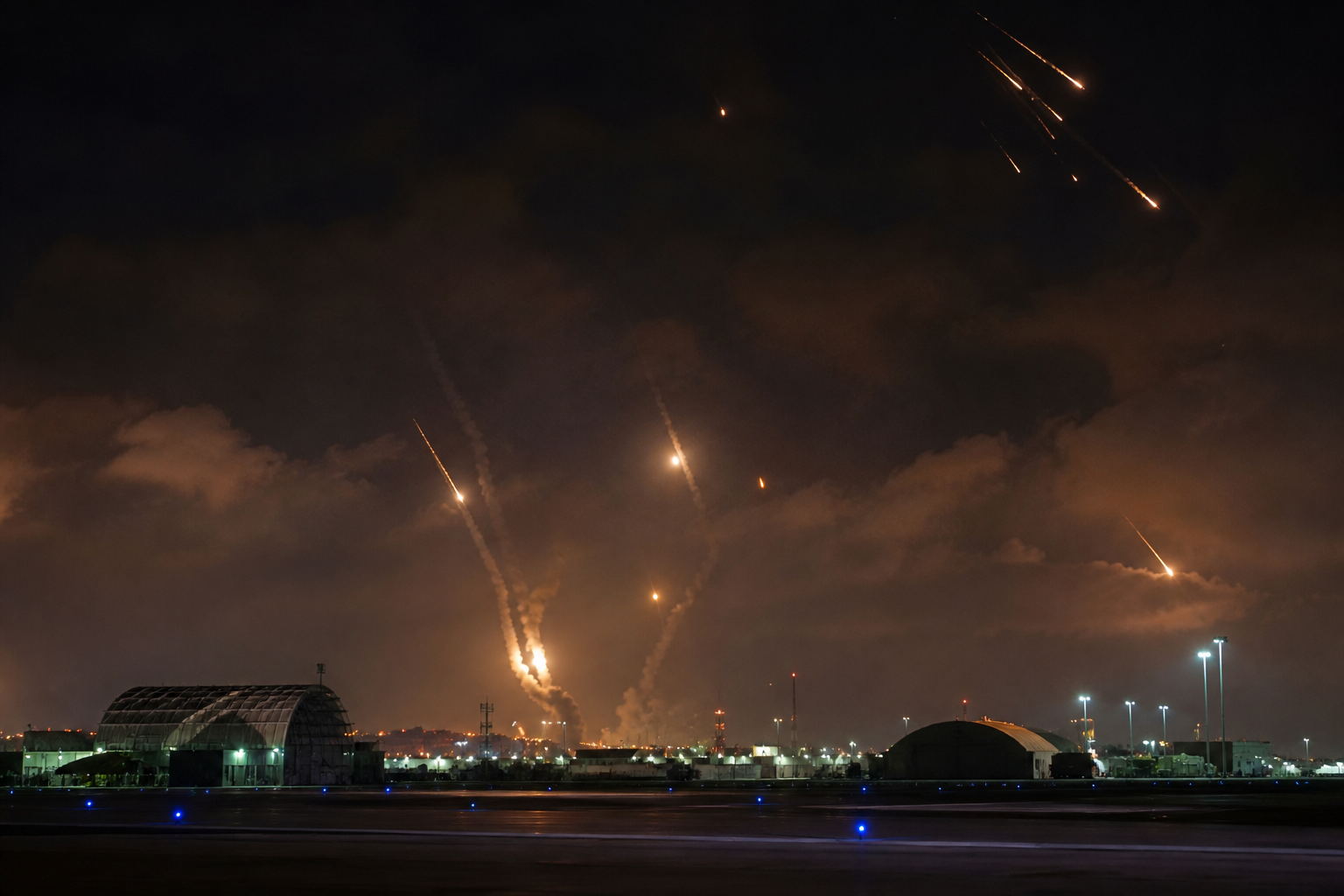
That economic vise is now interacting with the military track. This week’s renewed U.S. strikes along Iran’s Gulf coast and Iranian replies against regional bases raised the political temperature just as Iranian sources described petrol stocks and currency confidence as acute vulnerabilities. Analysts such as Ali Ansari have argued Tehran may eventually have to negotiate because it is losing both revenue and leverage over the strait. Iranian officials, for their part, still talk about escalation options and hope American midterm politics will restrain Washington first.
Oil was always Iran’s strategic cushion. The blockade turns that cushion into a countdown. If the two-month gasoline warning is even roughly accurate, the next phase of the conflict will be decided as much in refineries, foreign-exchange queues, and protest risk as in missile exchanges over Hormuz.