The September 2, 2026 shootout between Ukraine’s SBU and HUR cannot be separated from the shadowy politics of Russians who fight against the Kremlin under Ukrainian command. At the center of the disputed events is Stepan Kaplunov, deputy commander of the Russian Volunteer Corps, and an SBU claim that Russian intelligence was preparing an attack on a Russian opposition-nationalist figure inside Ukraine.
In its morning statement, the SBU said it had worked with military intelligence to thwart an FSB terrorist plot against “one of the leaders of a Russian opposition political national movement” who had arrived in Ukraine around Independence Day. The agency did not publicly name the intended target in that initial framing, but Ukrainian reporting quickly tied the investigative actions to Kaplunov and the RDK/RVC network.
That ambiguity is itself a political problem. Units like the Russian Volunteer Corps occupy a dual role: military asset against Russia, and political symbol for anti-Putin Russians. They also sit in a legal and counterintelligence danger zone. Moscow has every incentive to penetrate, discredit, or kill such figures. Kyiv has every incentive to use them — and every reason to fear that Russian services will treat Ukrainian cities as hunting ground.
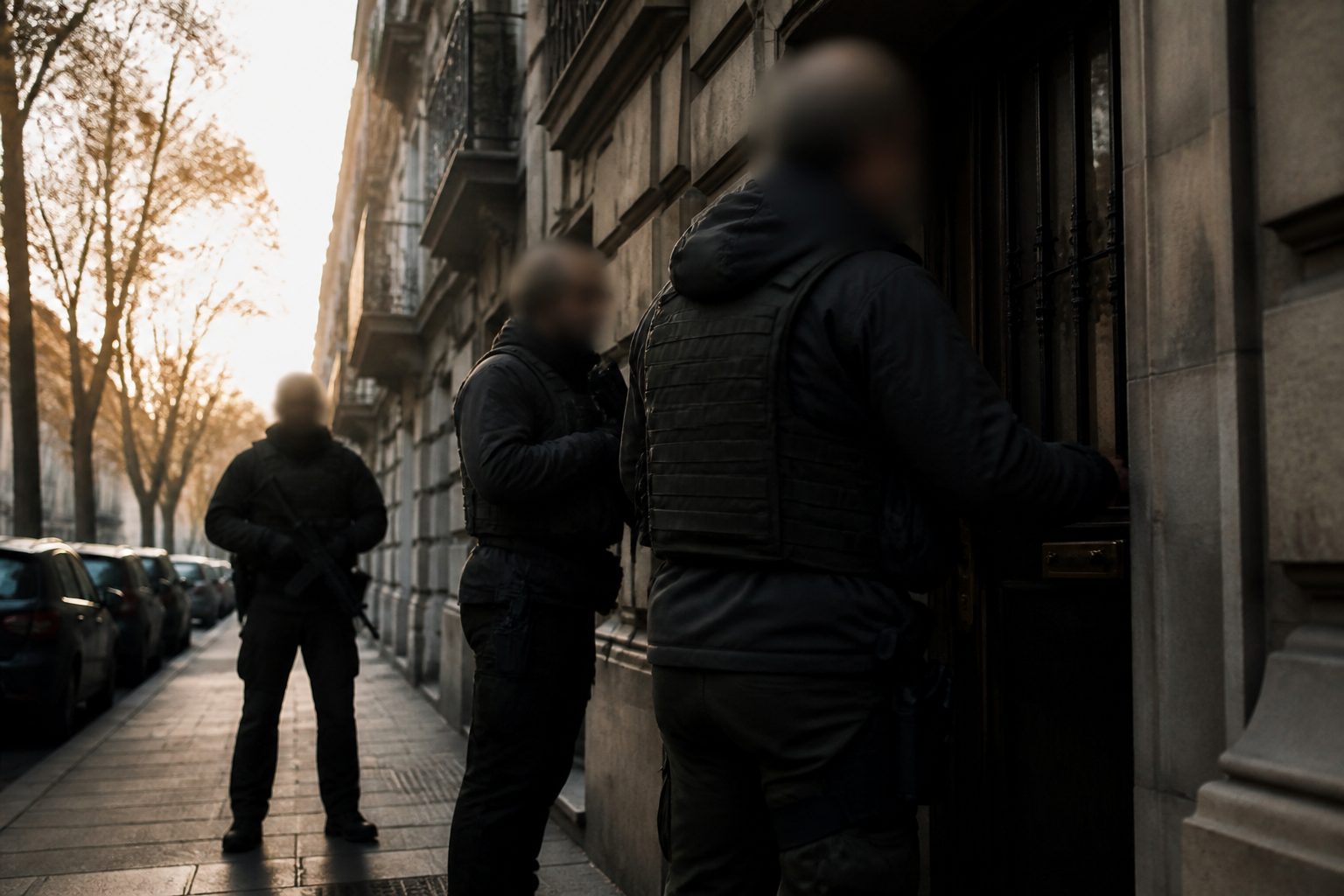
The competing versions of the Shumskoho Street clash show how quickly that danger zone becomes inter-agency warfare. One side describes lawful counterterror searches met with armed obstruction. The other describes an abduction and then a second round of detentions and gunfire after commanders appeared to de-escalate. Both cannot be fully true. Both can contain fragments of a messy special-services reality in which paperwork, rival chains of command, and personal loyalties collide.
Zelensky’s decision to push a criminal investigation and dismiss a senior SBU official is an attempt to reassert presidential control over services that have grown powerful during total war. It is also a signal to Western partners that Ukraine understands the optics: a wartime democracy cannot shrug at its own intelligence organs exchanging fire in the capital.
If an FSB plot was real, Kaplunov’s case becomes a counterintelligence success wrapped in an institutional failure. If the plot claim was thin or politicized, the episode becomes something darker: Ukrainian services turning wartime exceptionalism inward. Either way, the volunteer Russians fighting under Ukrainian colors have become not only a battlefield instrument but a fault line inside the Ukrainian security state.