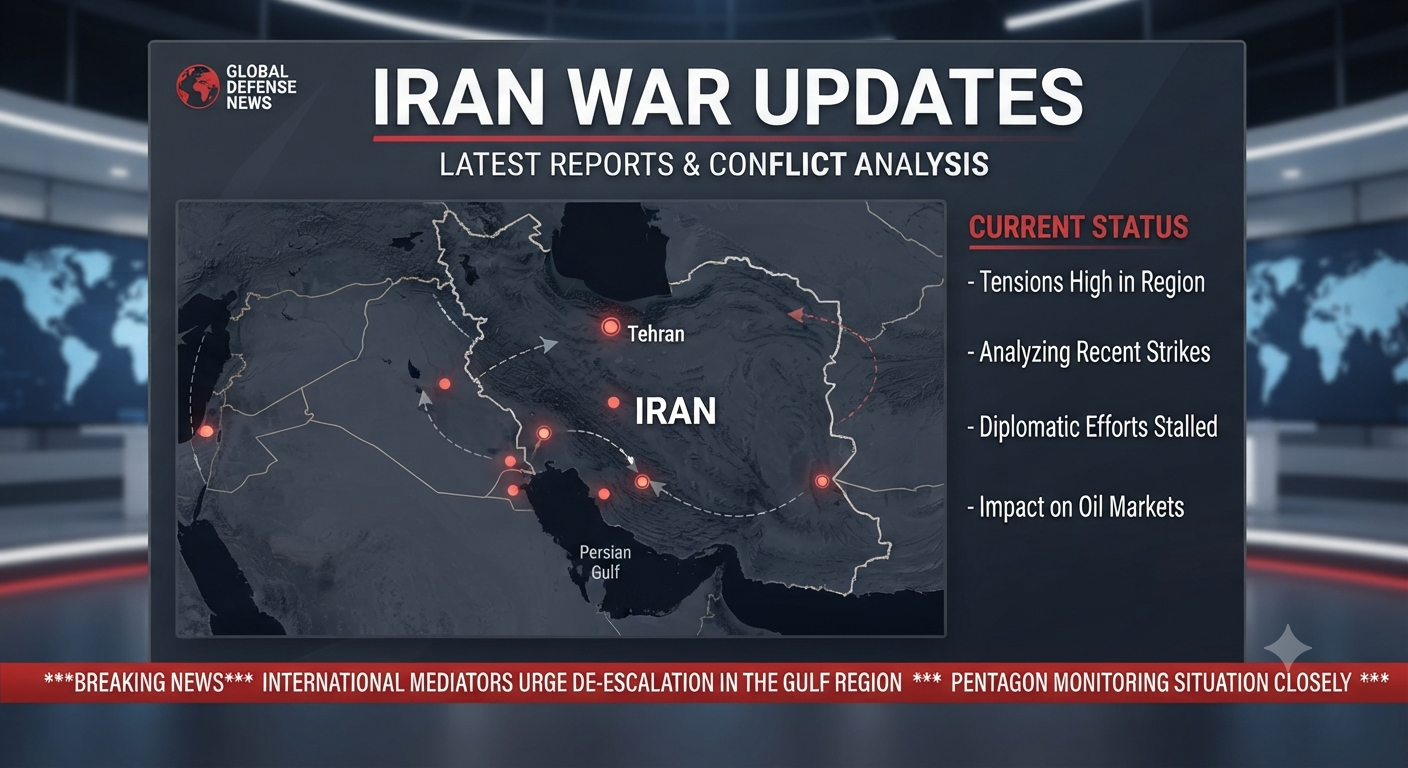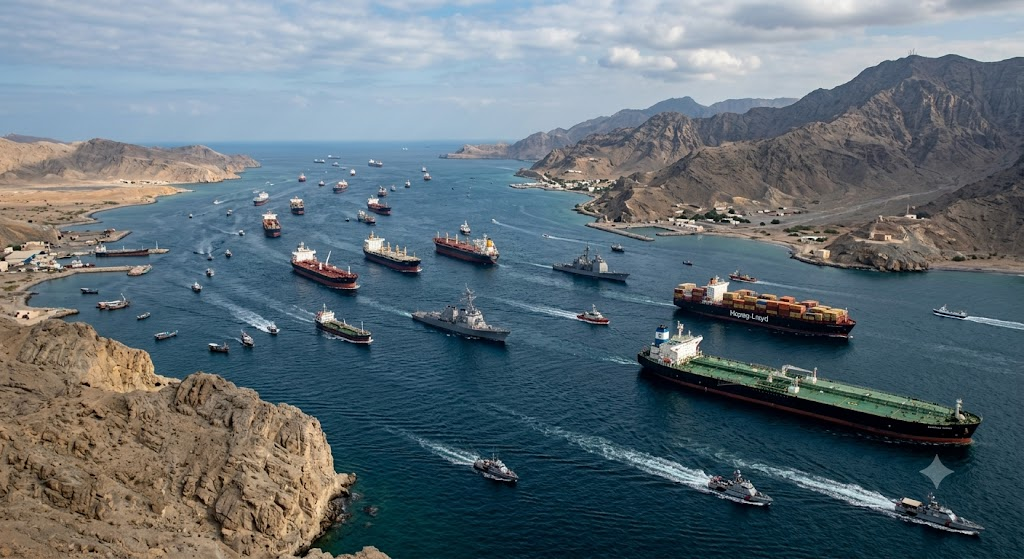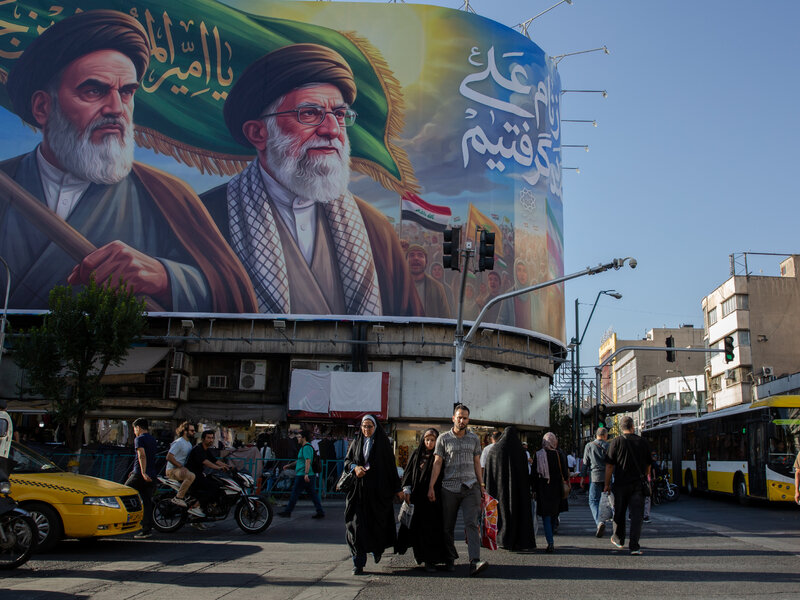
In the past 48 hours, the fragile interim peace accord between the United States and Iran has been severely tested by a rapid cycle of strikes and counterstrikes centered on the Strait of Hormuz, the vital chokepoint for global energy supplies. What began as a response to attacks on commercial shipping has escalated into direct Iranian assaults on U.S. military sites in the Gulf, raising fears of a broader resumption of the conflict that erupted earlier this year. (reuters.com)
Timeline of the Latest ViolenceSaturday, June 27: A Panama-flagged tanker was struck by an Iranian drone in the Strait of Hormuz while transiting the waterway. The vessel sustained damage but reported no crew injuries or oil leakage. U.S. Central Command (CENTCOM) described the incident as part of “continued Iranian aggression against commercial shipping.”(reuters.com)
In response, U.S. forces conducted strikes on Iranian military targets, including surveillance and communications facilities, air defense systems, drone storage sites, and mine-laying infrastructure near the strait. Explosions were reported in areas such as Sirik in southern Iran. Iran condemned the strikes as a violation of the ceasefire. (reuters.com)
This marked the second consecutive day of U.S. action following an earlier incident involving a Singapore-flagged cargo ship hit on or around June 25-26. (aljazeera.com)
Early Sunday, June 28: Iran retaliated swiftly. The Islamic Revolutionary Guard Corps (IRGC) launched missiles and drones targeting U.S. military sites in Kuwait and Bahrain. Kuwaiti air defenses intercepted ballistic missiles, while Bahrain reported sirens and damage to a residential building in Muharraq province from a drone strike (no casualties reported in initial assessments). A U.S. official confirmed the attacks but noted no American casualties or major damage. (reuters.com)
President Donald Trump responded on social media, warning that if Iran did not adhere to the interim agreement, the U.S. might be forced to “militarily complete the job,” potentially leading to the end of the Islamic Republic.
Qatar reported a national killed by shrapnel from a vessel incident linked to regional military operations.
Background: The Fragile Interim DealThe violence comes weeks after the signing of a 14-point interim peace accord aimed at halting the wider 2026 Iran war, which began with U.S.-Israeli strikes on February 28. The deal sought to reopen the Strait of Hormuz—disrupted for much of the conflict—and facilitate talks on Iran’s nuclear program, sanctions relief, and regional issues.(en.wikipedia.org)
However, implementation has been rocky:
- Iran has asserted control over shipping lanes in the strait, preferring northern routes under its administration and charging fees, while the U.S. has promoted southern lanes along Oman’s coast.
- Hundreds of ships were stranded earlier; some have begun exiting as tensions eased temporarily, helping stabilize oil prices. reuters.com
- Linked tensions persist in Lebanon, where Israel struck Hezbollah targets on Saturday despite a recent ceasefire. Iran views Israeli withdrawal from Lebanon as essential to the broader deal. reuters.com
Both sides accuse the other of violating the ceasefire. Iran claims U.S. strikes undermine diplomacy, while the U.S. points to Iranian attacks on shipping as the trigger.(reuters.com)
Regional and Global Implications
- Gulf States: Attacks on Kuwait and Bahrain highlight risks to U.S. allies hosting American bases. Bahrain urged an urgent UN Security Council session.
- Energy Markets: The strait handles about one-fifth of global oil and LNG. Renewed disruptions could spike prices, though recent ship movements had offered some relief.
- Diplomacy: Mediated talks, including those involving Vice President JD Vance, continue amid the fighting. Reports suggest both sides may seek to de-escalate again, with a potential meeting this week. en.wikipedia.org
The last 48 hours underscore the volatility of the post-ceasefire environment. While full-scale war has not resumed, the tit-for-tat exchanges over the strait risk unraveling months of delicate negotiations. Analysts warn that without swift de-escalation, the region could slide back into open conflict with severe global consequences. (theguardian.com)
This article draws on reporting from Reuters and other verified sources as of June 28, 2026. Developments are ongoing.