Iran Hardliners Move to Impeach Araghchi Over UNGA Contacts With U.S.
Iranian hardliners filed an impeachment motion against FM Abbas Araghchi over his UNGA contacts with Trump envoys Steve Witkoff and Jared Kushner.
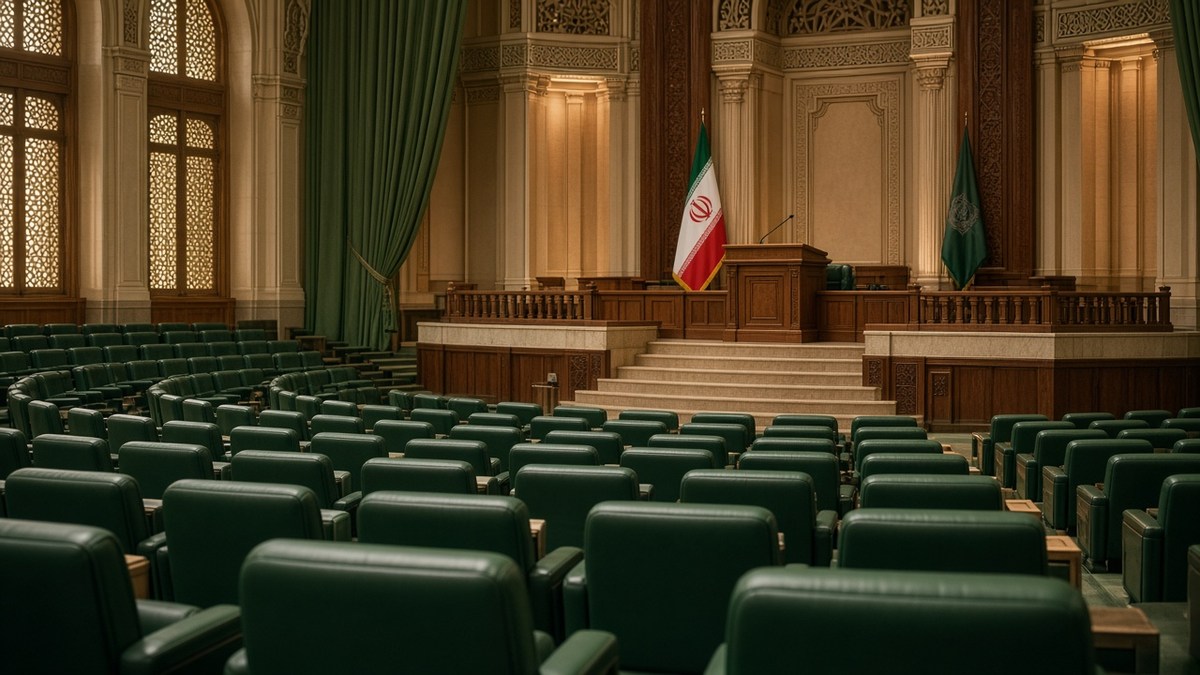
TEHRAN / NEW YORK — September 24, 2026. Iran’s tentative reopening of a U.S. channel on the sidelines of the UN General Assembly triggered a domestic backlash at home, with lawmakers registering an impeachment motion against Foreign Minister Abbas Araghchi over contacts with Trump envoys Steve Witkoff and Jared Kushner — a political second front that now shadows any Hormuz diplomacy sold as “productive” in Washington.
The challenge surfaced publicly after IRGC-affiliated media and hardline deputies questioned whether direct contact with Witkoff had been authorized. Critics argued Tehran’s approved line was to transmit conditions through mediators, not to sit in a format that looks like bilateral bargaining. A senior Iranian official had told Reuters before the New York round that the delegation held “full authority” to revive diplomacy; the impeachment filing tests whether that authority survives Majlis scrutiny and whether the Supreme National Security Council’s red lines were crossed in the room.
Foreign Ministry spokesperson Esmail Baghaei confirmed an interaction occurred through Qatari mediation and insisted its purpose was to convey Iranian conditions: ending the war in all dimensions, stopping U.S. “aggressive actions,” lifting the naval siege and economic warfare, and releasing frozen assets. He did not endorse U.S. claims that preconditions had been dropped. President Donald Trump had called the roughly three-hour UN headquarters session very good and very productive; Witkoff called it encouraging, constructive and successful. Brent briefly traded below $100 on the diplomacy headline even as Baghaei’s framing told Iranian audiences nothing fundamental had been conceded.
Pezeshkian’s Line and the Hardliners’ Objection
That dual messaging is the core of the impeachment politics. President Masoud Pezeshkian remains publicly open to negotiation while rejecting talks under military pressure and telling the General Assembly Tehran would not surrender. Hardliners hear Trump’s earlier “annihilate” rhetoric and see Araghchi’s channel as premature. Moderates hear oil markets and winter energy risk and want a sequenced path to reopen Hormuz — a route Tehran has floated as possible within seven days if Washington eases the port blockade and naval pressure. The impeachment motion is less about a single meeting than about who owns the file: the foreign ministry’s diplomats, the IRGC’s war managers, or the Leader’s office through the SNSC.
Washington’s side of the ledger is equally unresolved. Secretary of State Marco Rubio said any Iran deal would take hard work over time and reminded reporters that Trump retains military options. U.S. demands still center on unrestricted Hormuz navigation and broader assurances before a major pressure drawdown. Iranian officials say they are reviewing Washington’s response to peace proposals that prioritize lifting the naval blockade. Neither capital has published a verified escort or assets timeline.
For markets and Gulf mediators, the practical question is whether Araghchi can keep negotiating while fighting an impeachment brief. If the Majlis motion stalls and further mediated rounds produce written sequencing on blockade, assets and navigation, Tuesday’s UNGA contact looks like the start of a track. If hardliners force a personnel crisis or pull the channel back to pure messenger diplomacy, Hormuz stays a coercive instrument beside Pezeshkian’s UNGA defiance. September 24’s story is therefore not another meeting readout — it is Tehran arguing with itself about who is allowed to talk.
Sources
- Iran International: Iran lawmakers move to impeach Araghchi over talks with US officials
- The Week: Tehran in turmoil: Why Iran’s foreign minister could lose his job
- Gulf News: Iran Foreign Minister Abbas Araghchi faces impeachment over secret US talks


One Comment