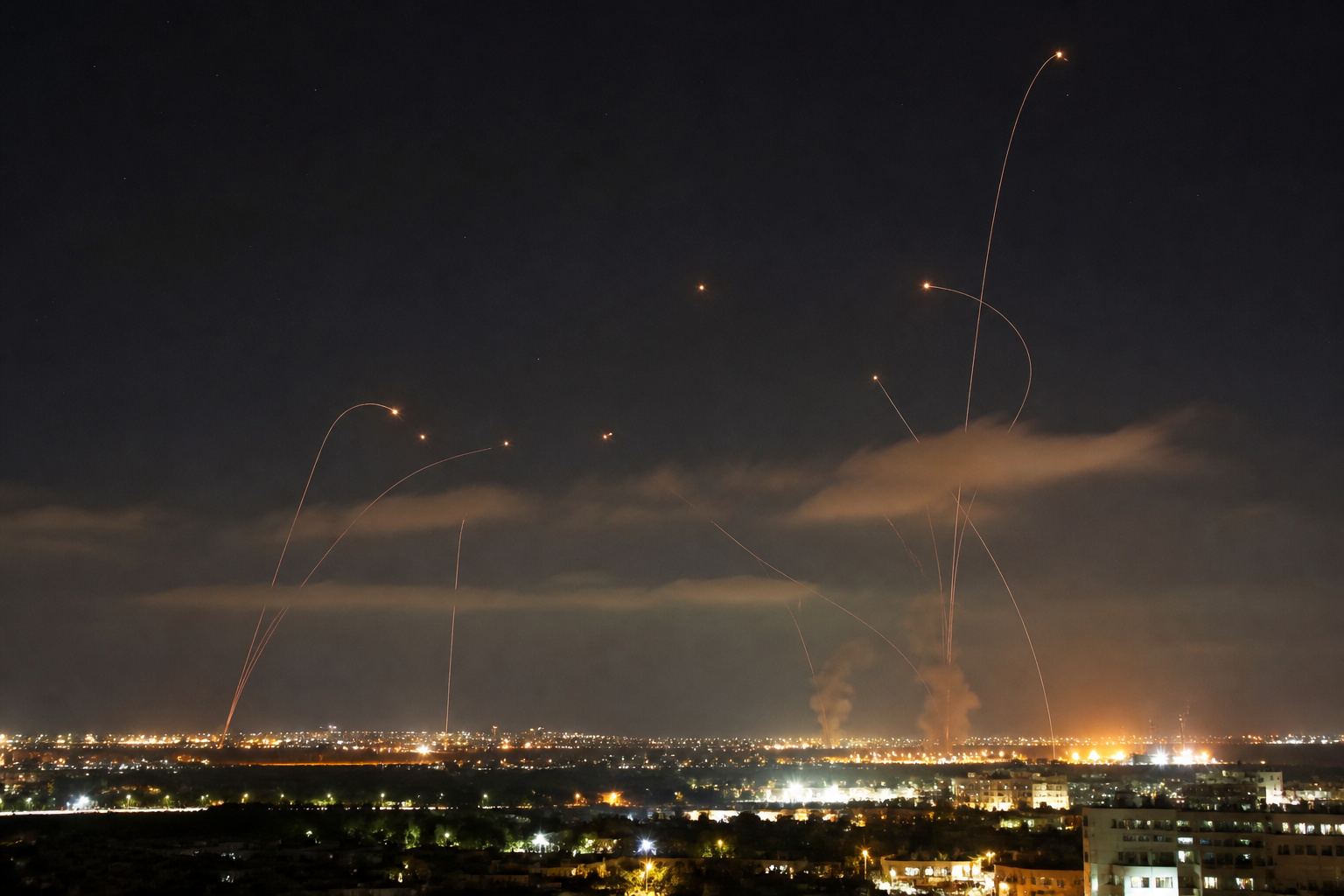
RIYADH — September 8, 2026. Yemen’s Iran-backed Houthi movement launched a wave of missile and drone attacks against southern Saudi Arabia early Tuesday, wounding at least seventy-three civilians according to the Saudi-led coalition, in what Riyadh called a dangerous escalation after months of relative restraint. Coalition spokesperson Maj. Gen. Turki Al-Maliki said the assaults hit “civilian and economic sites” in Abha, Khamis Mushait, Jazan, and Najran, and that women and children were among the wounded. Saudi authorities later said some energy facilities had halted operations.
Houthi-run media, cited by Xinhua, claimed the group struck Abha International Airport, King Khalid Air Base, and Aramco facilities in Abha and Jizan. Those claims have not been independently verified in full, but the combination of casualty figures from the coalition and Houthi targeting rhetoric marks the sharpest Saudi–Houthi flare-up since July, when missile attacks ended a roughly four-year de facto ceasefire between the rebels and the kingdom. CNN noted that Riyadh had tried to stay clear of America’s war with Iran; Tuesday’s barrage suggests that buffer is collapsing.
The strategic logic is regional, not only Yemeni. As U.S. and Iranian forces trade tanker and warship strikes around Hormuz, Tehran’s partners can open secondary fronts that raise insurance costs, threaten Aramco infrastructure, and force Gulf capitals to choose between deeper alignment with Washington and quieter accommodation with Iran. A large civilian casualty toll inside Saudi cities also hardens domestic pressure for a “resolute response,” in Al-Maliki’s phrase—raising the risk that the Iran war’s southern theater widens just as diplomacy over Hormuz remains stalled.
Oil markets reacted immediately, with Brent approaching $100 as traders folded Saudi facility risk into the existing Hormuz premium. For Peter’s World readers tracking the six-month U.S.–Iran conflict, the Houthi salvo is a reminder that the war’s geography is larger than the strait. It now runs from Kharg Island to Abha—and every new secondary front makes a narrow ceasefire harder to design.