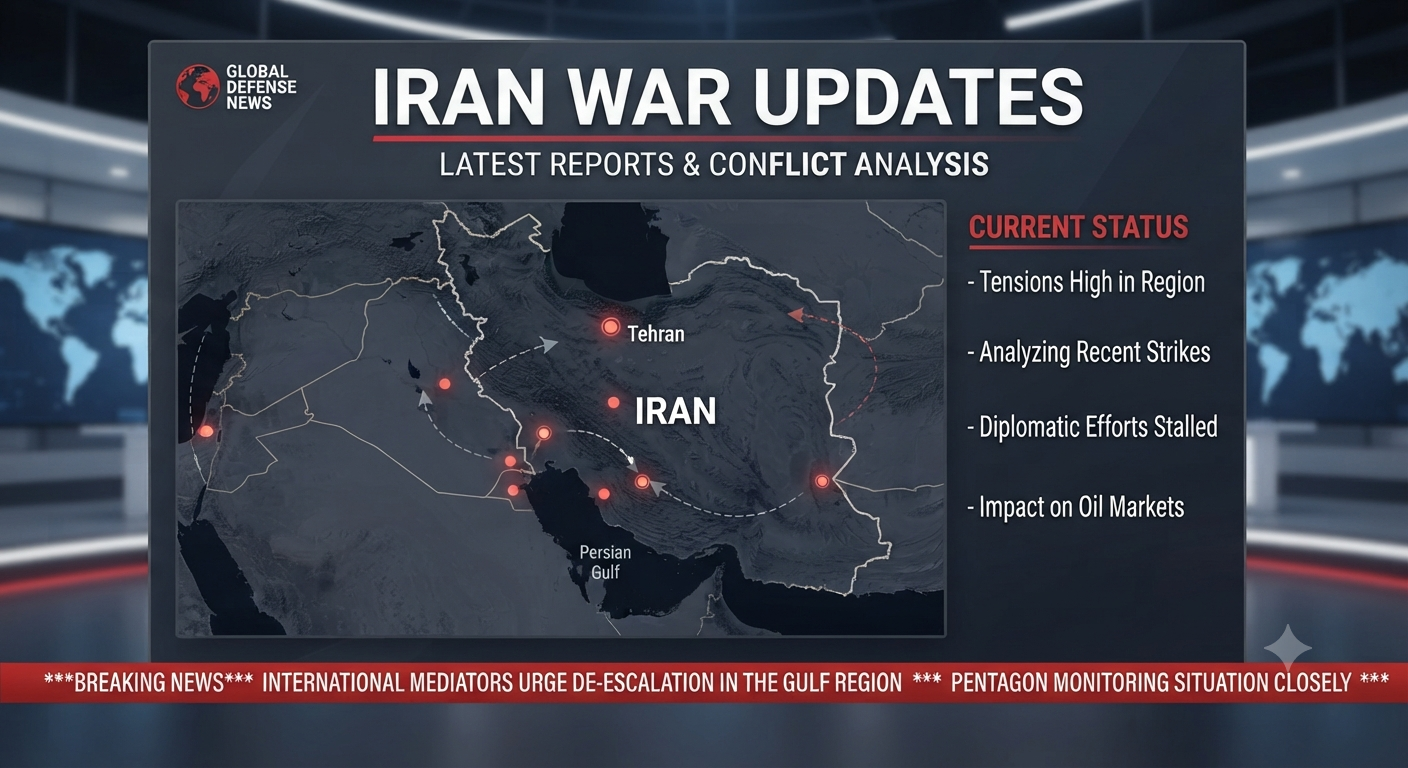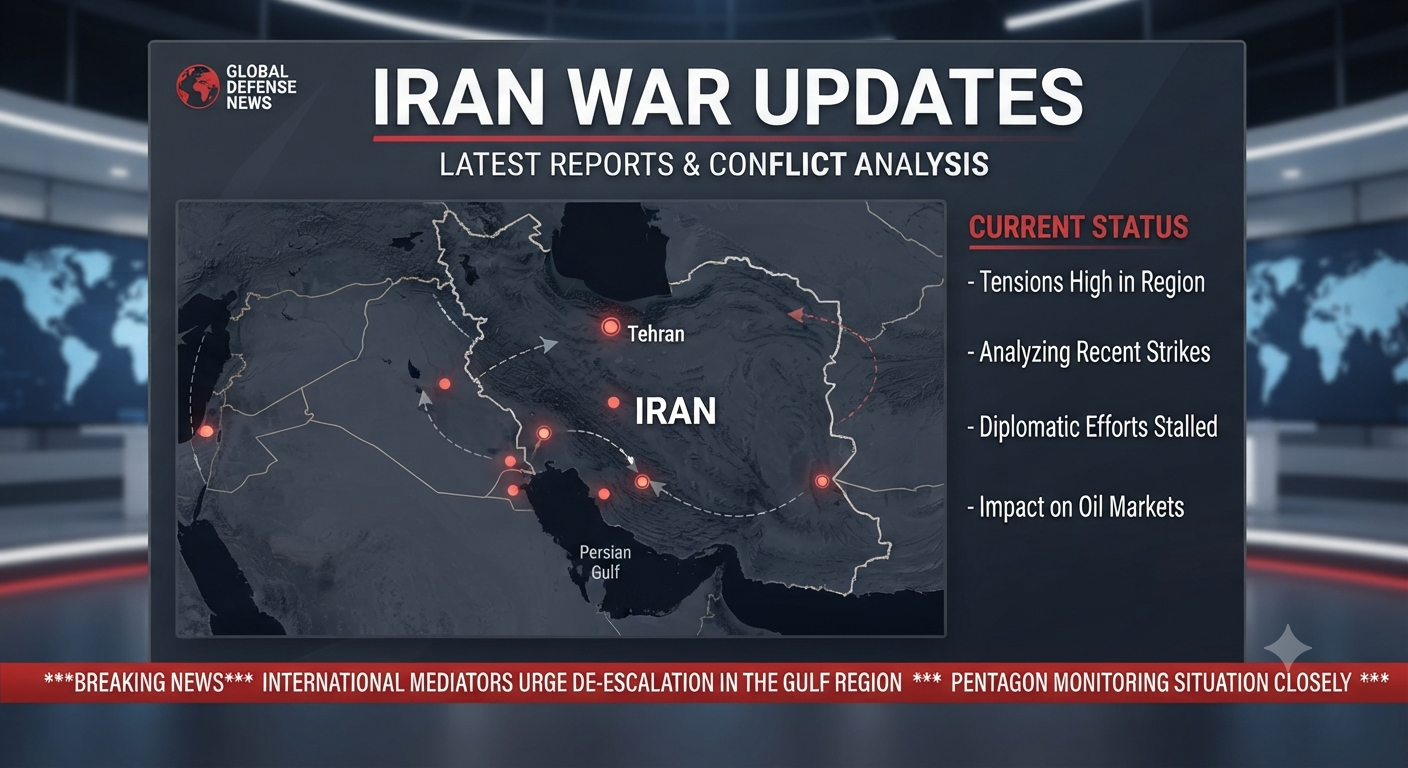
This report synthesizes the Institute for the Study of War (ISW) and Critical Threats Project (CTP) Iran Update Special Report of August 6, 2026, which analyzes events in the ongoing conflict involving Iran, the United States, and the Axis of Resistance. ISW-CTP notes that Iran is conducting proactive military operations to achieve discrete objectives while framing attacks as retaliatory. The report is supplemented with additional details from contemporaneous reporting by other outlets on the Iran-Oman Strait of Hormuz arrangements, Houthi operations in Yemen, Syrian border dynamics, and Iranian domestic affairs. (understandingwar.org)
Strait of Hormuz and Emerging Iran-Oman Deal
Iranian regime media claimed that an emerging deal with Oman would enable Iran to maintain control of the Strait of Hormuz. An informed source told IRGC-affiliated media that the arrangement would require ships to enter through Iranian territorial waters and exit through Omani waters for a “certain period,” after which traffic would shift to a central route with Iran managing entrances and Iran-Oman jointly managing exits. The deal reportedly includes “insurance, fueling, and environmental fees” functioning as tolls. Four industry sources told Reuters the proposal would give Iran “control” over ships entering the Persian Gulf. This contradicts a Saudi media report stating the agreement excludes transit fees or service charges. ISW-CTP assesses that international recognition of Iranian control would allow Tehran to use the strait as a long-term deterrent, consistent with regime views of it as a central pillar of security architecture rather than mere negotiating leverage. Former Foreign Minister Mohammad Javad Zarif had argued earlier that Iran should use temporary control as leverage for economic recovery instead of prolonged enforcement. (understandingwar.org)
Iran continues to use force to consolidate control. The United Kingdom Maritime Trade Operations (UKMTO) reported on August 5 that a vessel’s crew heard two explosions while transiting Omani territorial waters; Iran has repeatedly targeted traffic on the Omani route because it undermines full Iranian assertion of authority.
Additional reporting indicates the deal is in its final stages. Iranian Deputy Foreign Minister Kazem Gharibabadi stated that Iran and Oman had reached in-principle agreement on almost all issues, including entry/exit route maps, after more than three weeks of talks, with a new single route primarily through Iranian territorial waters for two to four months; he emphasized this does not equal full reopening of the strait. Foreign Ministry spokesman Esmail Baghaei confirmed geographic coordinates had been agreed and a joint announcement was being finalized, provided third parties do not obstruct. Iranian sources have sought to bar U.S. and Israeli ships, impose compensation from “hostile” countries, and potentially collect fees (reports vary from 5–7% of cargo value sought by Iran versus lower or zero preferred by others). Full normalization is conditioned by Tehran on U.S. steps such as ending the naval blockade on Iranian ports, addressing reimposed oil sanctions, and progress on frozen assets. U.S. President Donald Trump has indicated a deal could come soon but has not been finalized, while signaling potential hard action if the strait does not reopen. Saudi-based channels reported an understanding for a 60-day reopening with inbound traffic near Iran and outbound near Oman, no fees, and possible regional demining participation, after which the U.S.-Iran memorandum of understanding could resume. Conflicting details persist on control, fees, and conditions. (https://www.reuters.com/world/least-30-yemeni-government-troops-killed-houthi-attacks-sources-say-2026-08-06/)(https://www.bloomberg.com/news/articles/2026-08-06/iran-seeks-bar-on-us-ships-in-hormuz-as-deal-with-oman-advances)(http://www.china.org.cn/world/Off_the_Wire/2026-08/06/content_118635573.shtml)(https://www.politico.eu/article/strait-of-hormuz-deal-oman-final-stage-iran/)
Syria, Hezbollah Supply Lines, and Axis of Resistance Activity
Iran and its Axis of Resistance are likely attempting to deter the Syrian government from disrupting smuggling routes supporting Hezbollah. A UK-based Saudi-owned outlet reported numerous Iranian cells in Syria prepared to attack Syrian government and civilian targets if Damascus acts against Hezbollah. Iran and partners from Iraq and Lebanon have infiltrated Syria with clandestine cells and recruited former pro-Assad fighters remaining after the 2024 fall of the Assad regime. The Syrian government has thwarted several Iranian-supported smuggling attempts to equip cells and move fighters across the Syria-Lebanon border; many Iraqi and Syrian fighters have already entered Lebanon to fight with Hezbollah.
Iran likely interprets Syrian counter-smuggling as cooperation with Israel and the United States (reinforced by reports of U.S. President Donald Trump urging Syrian action against Hezbollah), though Syria is exercising sovereignty to secure borders against continued Axis activity and post-Assad threats. Syria has historically been critical to Iranian support for Hezbollah via Iraq.
ISW-CTP outlines two courses of action:
- Most Likely (MLCOA): Clandestine cells conduct spectacular attacks inside Syria to divert Syrian security forces from border monitoring, enabling continued smuggling of equipment, funds, and personnel while creating political challenges for President Ahmed al-Shara’s government.
- Most Dangerous (MDCOA): A major Syrian counter-smuggling operation on the Lebanese border (e.g., against Hezbollah warehouses or killing significant fighters) triggers coordinated Iranian-backed response involving cells, cross-border attacks, and possibly Iranian drone/rocket/missile strikes, potentially expanding beyond deterrence. understandingwar.org
The Syrian government has increased forces on the Syria-Iraq border in response to Iranian and Axis threats and reinforcements by Iranian-backed Iraqi militias and Hezbollah. Damascus informed Iraqi and Lebanese governments of threats to internal stability and warned of responses to attacks. Iraqi Border Forces described the situation as normal and coordinated.
Broader Axis activities (including prior IRGC strikes on the former U.S. base at al-Tanf on July 17 and strikes on Saudi Arabia and the UAE) are driving increasing alignment among regional states. Syrian President Ahmed al-Shara held calls with Saudi Crown Prince Mohammed bin Salman and UAE President Mohammed bin Zayed on July 30 condemning Iranian attacks on Saudi energy infrastructure.
Contextual reporting from July confirms Syrian interceptions of advanced weapons (including drones, anti-tank missiles, and components) concealed in oil tankers at the al-Tanf crossing, bound for Hezbollah via Iraq-Syria routes; Hezbollah denied involvement, and Iraq formed an investigative committee. These actions have drawn Iranian responses targeting the area. (https://apnews.com/article/syria-weapons-smuggling-iraq-hezbollah-2e3a328669d876dce0a940714ee8a799)(https://www.reuters.com/world/middle-east/syria-foils-attempt-smuggle-weapons-hezbollah-iraq-state-news-agency-says-2026-07-16/)
Houthi Attacks in Yemen
The Houthis conducted missile and drone attacks against Republic of Yemen Government (ROYG) military camps in Marib and Hadramawt governorates on August 6, possibly in response to ROYG ground movements near frontlines. Saudi-backed Yemen Emergency Forces confirmed attacks on several camps and units. Unspecified sources told Saudi media at least 45 ROYG soldiers were killed. The Houthis claimed the strikes responded to ROYG and “Saudi” force mobilization and caused hundreds of casualties among “Saudi enemy mercenaries,” destroying buildings, weapons, and vehicles. Anti-Houthi media had reported prior ROYG movements and related airstrikes in late July.
Independent reporting confirms the attacks struck camps in areas including al-Ruwaik (Marib), al-Abr, al-Thaniyah/al-Thiniya, and al-Wadiah (Hadramawt), using ballistic missiles and drones launched in part from al-Jawf. Casualty figures range from at least 30 (Yemeni defense ministry and multiple sources) to 35–58 according to military officials and AFP, with some wounded; the toll may rise. Houthis claimed responsibility and hundreds of casualties (unverified). The attacks also wounded more than 10 civilians (including Saudis, Yemenis, Pakistanis, and Egyptians) in Saudi Arabia’s Najran region near the border. Yemen’s health minister ordered heightened medical readiness; the U.S. Mission to Yemen condemned the strikes as terrorism against the Yemeni people and offered condolences. These mark significant escalation, the fiercest in Yemen since 2022 in some assessments, amid Houthi claims of responding to Saudi-aligned buildups. Additional drone strikes occurred into August 7 in areas such as Harib (southern Marib). (https://www.bbc.co.uk/news/articles/ckgdmdr0lmgo)(https://www.aljazeera.com/news/2026/8/6/houthis-claim-to-have-killed-45-in-attacks-on-yemeni-government-forces)(https://www.reuters.com/world/least-30-yemeni-government-troops-killed-houthi-attacks-sources-say-2026-08-06/)(https://www.bloomberg.com/news/articles/2026-08-06/houthis-attack-saudi-backed-forces-in-yemen-escalating-tensions)(https://www.justsecurity.org/152340/early-edition-august-7-2026/)
Iranian Domestic AffairsThe IRGC Ground Forces Quds Operational Base announced on August 6 that it dismantled an unspecified militant cell before it could conduct an attack in southern Sistan and Baluchistan Province.
Separately, Iranian President Masoud Pezeshkian stated that communication with Supreme Leader Mojtaba Khamenei (who succeeded his father after the latter’s death in a February 28 strike) is “very difficult at the moment,” though the new leader’s presence provides strength amid sanctions, blockade, and conflict. Mojtaba Khamenei has remained largely out of public view since sustaining injuries. (http://www.china.org.cn/world/Off_the_Wire/2026-08/06/content_118635601.shtml)
Broader Context and Outlook
Iran has warned Gulf states that new U.S. attacks on its territory would trigger retaliation against regional energy infrastructure, delivered via high-level contacts after earlier U.S. threats. Regional frustration with Axis actions is fostering greater Arab-state coordination. The Houthi strikes and Hormuz negotiations remain flashpoints that could affect ceasefire dynamics and energy flows. ISW-CTP’s assessments highlight Iranian efforts to lock in strategic gains (Hormuz control, Hezbollah sustainment) while managing escalation risks. Developments continue to evolve rapidly as of August 7, 2026. (https://www.justsecurity.org/152087/early-edition-august-6-2026/)(https://www.thehindu.com/news/international/west-asia-conflict-iran-us-war-oil-prices-iran-oman-talks-tehran-washington-peace-deal-live-updates-august-6-2026/article71311934.ece)