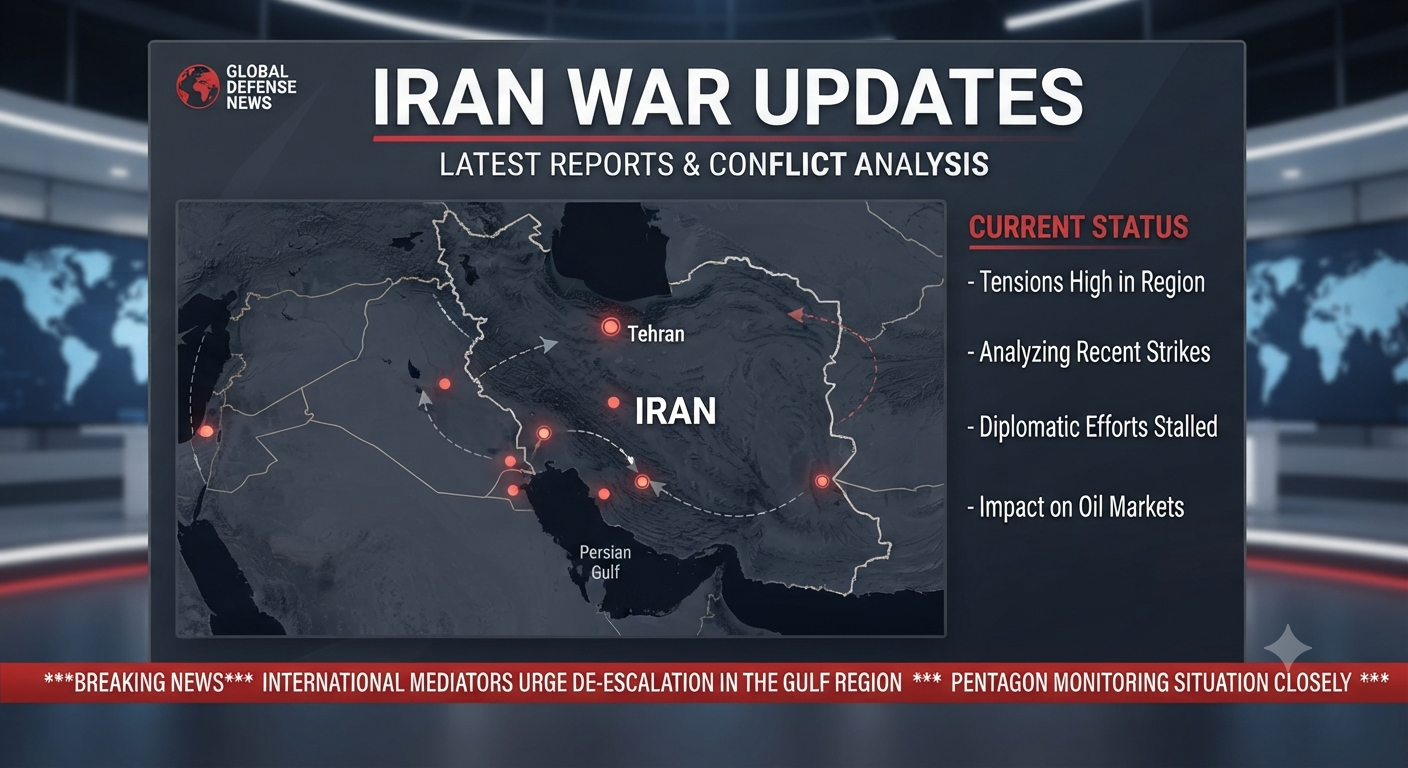
Tel Aviv/Washington — Following the signing of a formal ceasefire agreement with Iran, officials from the involved parties have issued a clear message: the deal is being upheld, and any disputes over its implementation should be resolved through direct communication rather than escalation.”We have honored the ceasefire agreement,” the statement reads. “If Iran has disagreements about how the Memorandum of Understanding (MOU) is being applied, they can pick up the phone. But violence will be met with violence.”The ceasefire, brokered in recent weeks amid heightened regional tensions, aims to de-escalate longstanding conflicts involving Iranian-backed proxies, missile exchanges, and covert operations across the Middle East. Both sides reportedly committed to halting direct attacks, with the MOU outlining verification mechanisms, timelines for de-escalation, and channels for ongoing dialogue.
Upholding Commitments While Maintaining Deterrence
Sources close to the negotiations emphasize that the “we” in the statement refers to consistent adherence by Israel and its partners to the terms, including restraint in response to isolated incidents. Intelligence assessments shared with allies indicate that Iran has largely complied with the core provisions so far, though sporadic proxy activity in Syria, Lebanon, and Yemen has tested the agreement’s resilience.The message underscores a dual-track approach: openness to diplomacy paired with ironclad deterrence. “Picking up the phone” highlights established hotlines and backchannel communications that have been activated in past crises, allowing for rapid clarification without kinetic responses. This mechanism is designed to prevent misunderstandings from spiraling into broader conflict.However, the closing line leaves no ambiguity: “Violence will be met with violence.” This reflects a policy of proportional response that has defined recent Israeli and allied operations. Military analysts note that credible deterrence remains essential, especially given Iran’s nuclear ambitions, ballistic missile program, and support for groups like Hezbollah, Hamas, and the Houthis.
Context of the Agreement
The ceasefire follows months of shadow warfare, including Israeli strikes on Iranian assets in Syria and direct Iranian missile barrages toward Israel. International mediators, including indirect involvement from the United States and European partners, helped finalize the MOU to avert a wider regional war that could draw in multiple powers.Key provisions are believed to include:
- Cessation of direct attacks on each other’s territory.
- Limits on proxy militia operations near sensitive borders.
- Enhanced monitoring and verification protocols.
- Commitments to address underlying issues such as sanctions relief discussions and nuclear oversight through established forums.
Regional experts caution that while the agreement provides breathing room, deep-seated rivalries persist. Iran’s leadership has historically used ambiguity in such deals to maintain strategic flexibility, while Israel has made clear it will not tolerate existential threats.Looking AheadAs implementation continues, observers will watch closely for compliance. Any significant breach could trigger swift retaliation, consistent with the stated policy. At the same time, the invitation for direct dialogue signals a preference for stability over perpetual confrontation—provided the other side reciprocates.The statement serves as both reassurance to allies and a firm warning to adversaries: the ceasefire holds, diplomacy is available, but aggression will not go unanswered. In a volatile region where miscalculation has historically led to devastating wars, this balanced posture may prove critical in preserving the fragile peace.