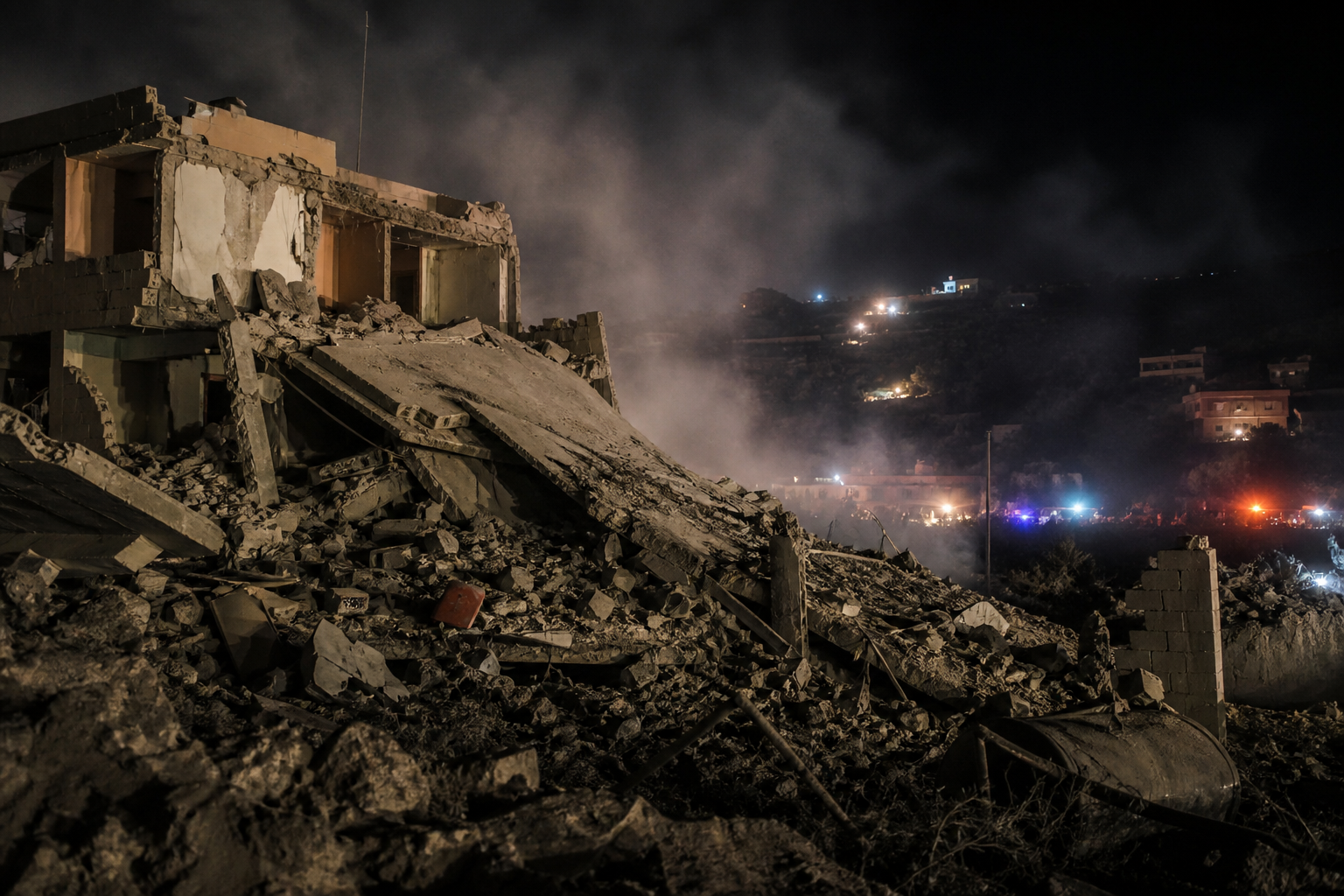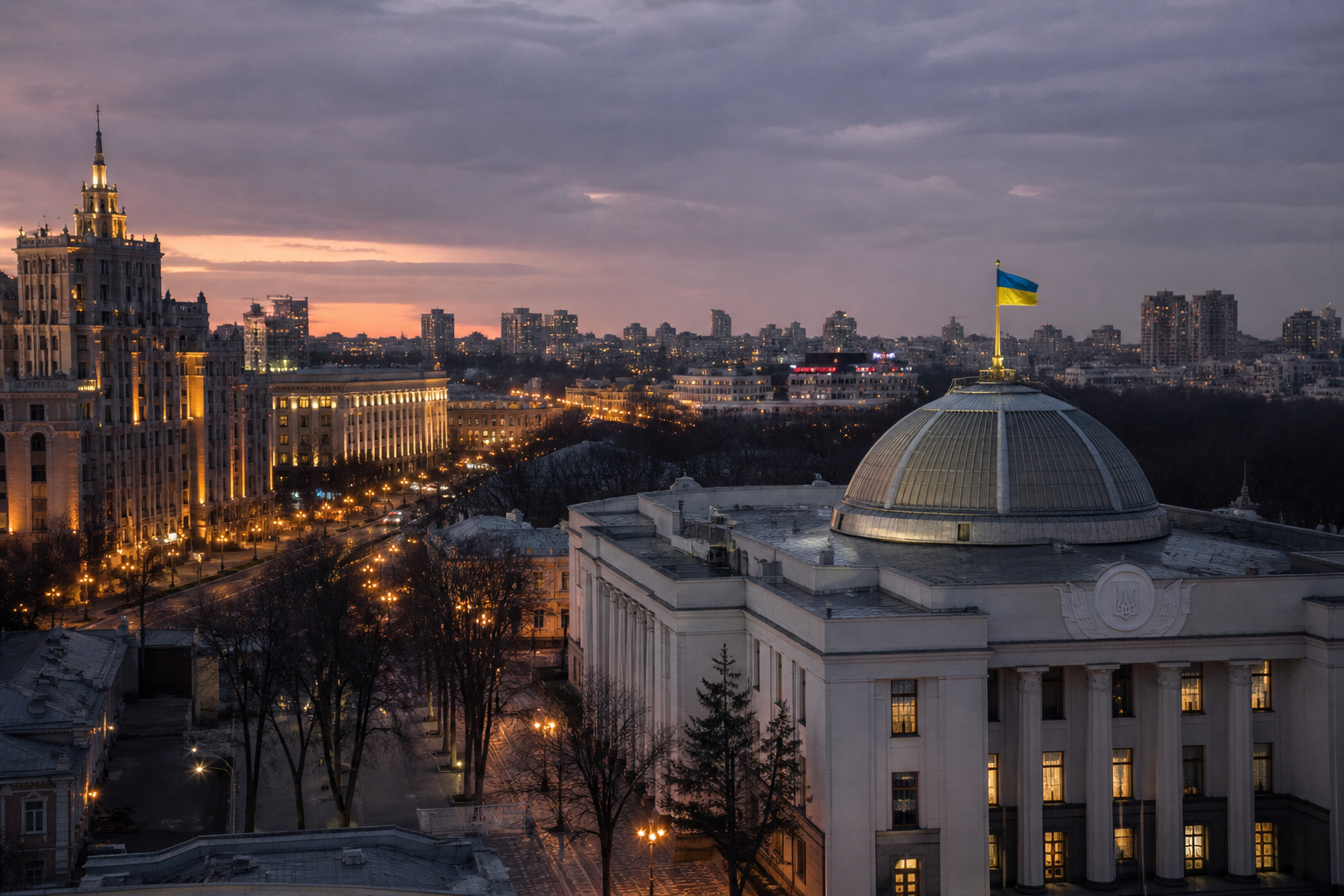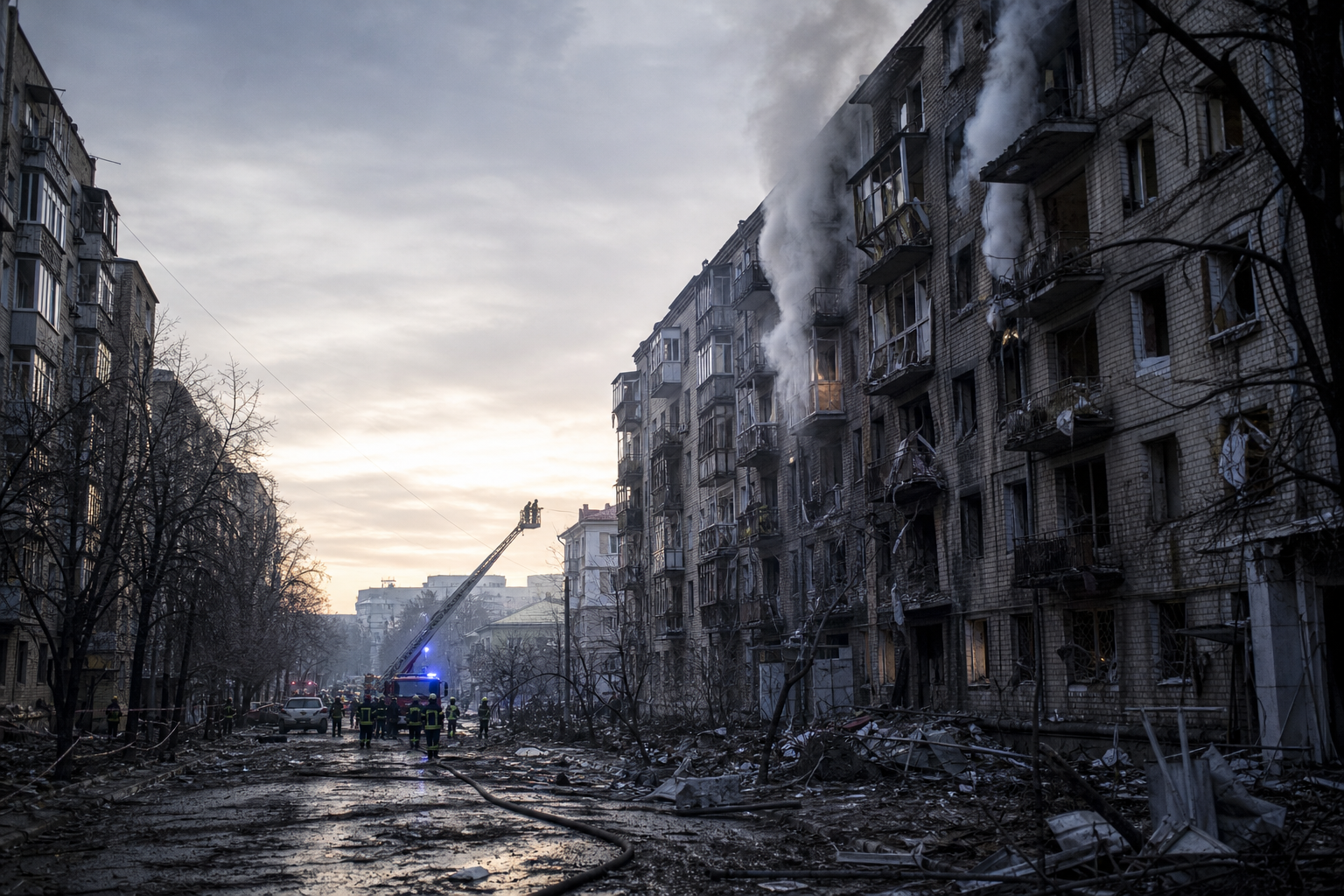
Russian attacks killed at least six people and injured at least 56 others across Ukraine over the past day, Ukrainian authorities said on September 4, 2026, as Moscow’s air campaign against Kyiv shifted from night raids into a grinding, round-the-clock pattern built around faster jet-powered drones.
In the capital, which has absorbed near-constant drone pressure for more than a week, Kyiv Mayor Vitali Klitschko said 13 people were injured and that six, including one child, remained hospitalized. The Ukrainian Air Force reported that Russia launched a Kh-31P guided air-to-surface missile from the Black Sea along with 121 strike drones — Shahed-type systems (about half jet-powered), Gerberas, Parodiya decoys, and S8000 Banderols — from launch areas including Millerovo, Oryol, Kursk, occupied Donetsk, and Hvardiiske in occupied Crimea. Air defenses said they shot down or suppressed 103 of those drones by 9:30 a.m. Kyiv time, while hits were still recorded at 15 locations and debris at six more.
The overnight wave was only part of a wider casualty map. Local officials reported deaths and injuries in Dnipro, Odesa Oblast, Zaporizhzhia, Kherson, and Donetsk Oblast, including two police officers killed in Dnipropetrovsk Oblast and civilian infrastructure damage that left warehouses burning near Kyiv in Sofiivska Borshchahivka. Ukrainian reporting also described Russia’s emerging use of faster drones to erase the old wartime rhythm in which daylight meant relative calm.
That tactical change matters more than any single overnight tally. When sirens interrupt school, transit, and work throughout the day, the strategic target is not only warehouses and apartments — it is civilian endurance and political bandwidth in a capital already preparing for another hard winter. Ukraine’s General Staff separately claimed another 1,440 Russian personnel losses over the previous day, a figure that cannot be independently verified but underscores how both the front and the rear remain under simultaneous pressure.
For Kyiv, the immediate requirement is denser layered defense against a mix of slow one-way attack drones and faster jet models that compress warning time. For Moscow, the campaign is a signal that the air war can be sustained even as diplomatic channels reopen. The two tracks — attrition from the sky and bargaining over a settlement — now run in parallel, and Russia’s September 3–4 barrage shows which one still sets the tempo on the ground.