
Background
The conflict, designated Operation Epic Fury by the U.S., began on February 28, 2026, with coordinated U.S. and Israeli airstrikes on Iranian targets. It featured intensive air campaigns, Iranian retaliatory ballistic missile and drone strikes on U.S. and partner bases across the Middle East (including Kuwait, Saudi Arabia, Jordan, and others), periods of ceasefire (notably from early April), and subsequent resumptions of hostilities. The U.S. relied heavily on airpower, drones, and stand-off munitions rather than large-scale ground invasions. Losses occurred from enemy fire, friendly fire, accidents, and deliberate destruction of assets to prevent capture. Figures remain subject to revision due to classification, ongoing activity, and differing official vs. independent tallies.(firstpost.com)
Personnel Losses
U.S. military deaths total approximately 17–18 service members (range of recent reporting as of mid-to-late July 2026). Official Defense Casualty Analysis System (DCAS) and Pentagon figures have fluctuated (e.g., temporarily listing 14 after adjustments related to post-ceasefire deaths and classifications of hostile vs. non-hostile), while independent trackers and contemporaneous reports cite 17–18 or slightly higher. (militaryspend.org)
Key incidents include:
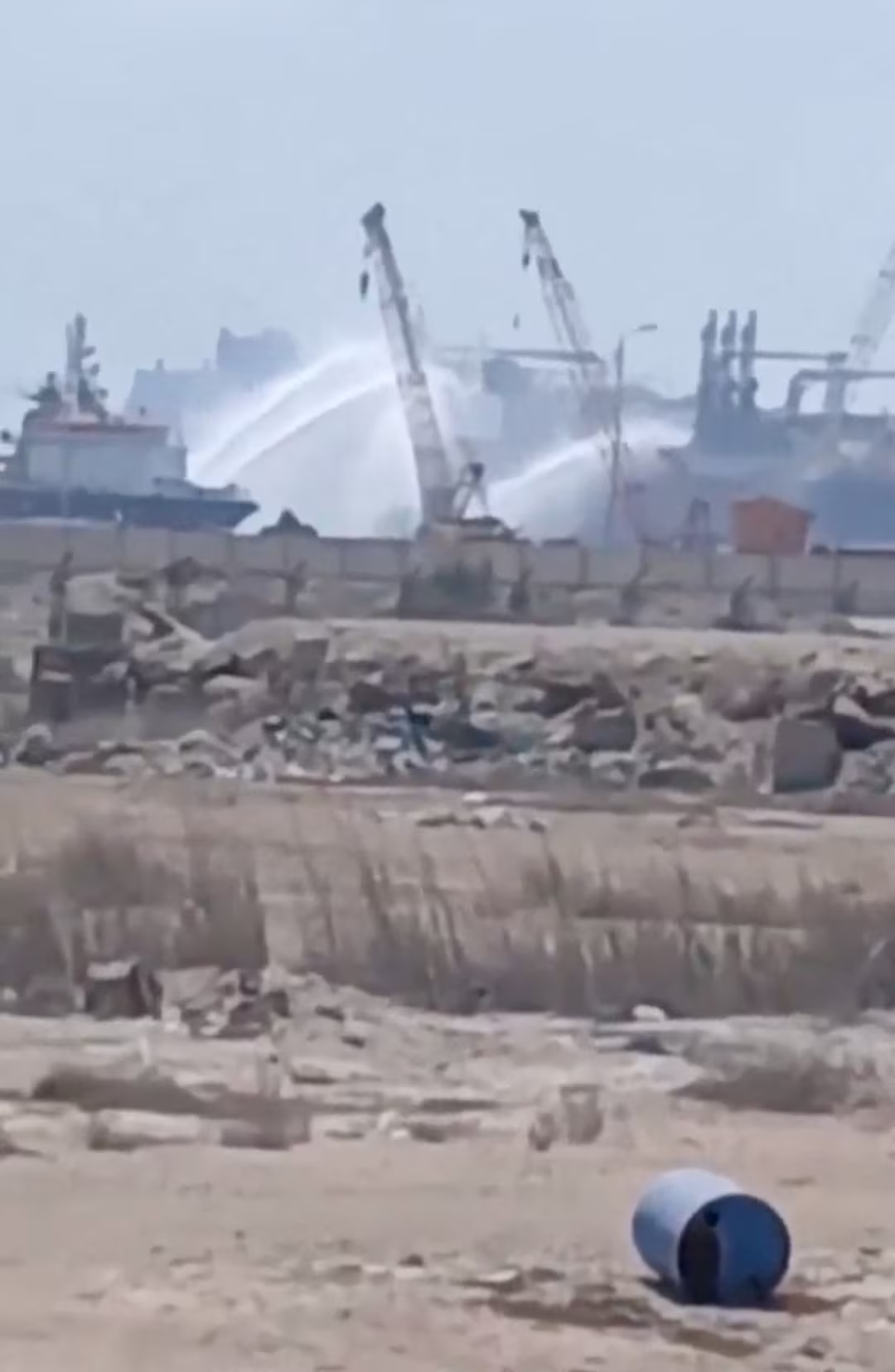
- March 1, 2026: Iranian drone strike on a tactical operations center at Port of Shuaiba, Kuwait (6 killed).
- Early March: Additional death from attack on Prince Sultan Air Base, Saudi Arabia.
- March 12: KC-135 Stratotanker crash in western Iraq (6 airmen killed; reported as non-hostile/accident).
- July 1: Navy helicopter incident in the Arabian Sea (1 pilot death, non-hostile).
- July 17–19: Iranian attacks on Muwaffaq Salti Air Base, Jordan, and a controlled detonation incident at Erbil Air Base, Iraq (at least 3 killed). washingtonexaminer.com
Wounded: Approximately 400–480+. Official figures around mid-July stood near 447 (DCAS), with many involving traumatic brain injuries from blast overpressure. Most returned to duty relatively quickly. Independent analyses have suggested higher totals when including certain non-hostile or less-publicized injuries (e.g., from shipboard incidents). (wbal.com)
These remain low by historical standards of major U.S. conflicts but represent the highest single-year hostile deaths in some recent comparisons.Equipment LossesThe most detailed public accounting comes from a May 2026 Congressional Research Service (CRS) report, which listed 42 aircraft lost, damaged, or destroyed (primarily during the initial intensive phase; subject to revision). Most were uncrewed systems. Additional losses (helicopters, further drones) occurred later. (scroll.in)
Primary aircraft (CRS tally):
- 4 × F-15E Strike Eagle (3 friendly fire by Kuwaiti defenses over Kuwait on/around March 2; 1 shot down over Iran on April 5; aircrews largely recovered).
- 1 × F-35A Lightning II (hit/damaged by Iranian air defenses; first reported combat involvement of this type in this manner).
- 1 × A-10 Thunderbolt II.
- 7 × KC-135 Stratotanker (mix of destruction and ground damage, including at Prince Sultan Air Base).
- 1 × E-3 Sentry AWACS.
- 2 × MC-130J Commando II (deliberately destroyed on the ground in Iran during a rescue mission after they became stuck).
- 1 × HH-60W Jolly Green II.
- 24 × MQ-9 Reaper drones (heaviest category of losses; used extensively for ISR/strike in contested airspace).
- 1 × MQ-4C Triton.
Additional reported items include MH-6 Little Bird helicopters, at least one AH-64 Apache (downed, crew rescued), and possible further drones or support aircraft in later phases. (flightglobal.com)
Other equipment and infrastructure:
- THAAD-related radars (reports of 1–2 systems damaged/destroyed; high-value assets).
- Extensive base damage: Satellite imagery analysis indicated damage or destruction to 200+ structures and pieces of equipment (hangars, barracks, fuel depots, radars, communications nodes, Patriot/THAAD components, etc.) across multiple U.S. facilities in the region. inquirer.com
No major surface naval vessel losses have been prominently reported in open sources.Estimated Values and CostsExact replacement/repair figures are estimates (many assets are legacy systems; some production lines closed or backlogged; classified damage assessments incomplete). Costs distinguish flyaway/unit prices, full replacement (including modern equivalents), and repair (often 25–75% of replacement for damaged aircraft).Aircraft-related:
- CSIS estimates for equipment losses/damages (mostly aircraft): $1.8–3.5 billion. csis.org
- Some media/expert tallies for replacing the CRS list of 42 aircraft have cited figures approaching $7 billion (using modern equivalents where applicable). firstpost.com
- Approximate unit/replacement ranges drawn from public sources:
- MQ-9 Reaper: ~$30–56 million each (24 × ≈ $720 million–$1.3+ billion).
- F-15E / F-15EX replacement: ~$70–125 million range (4 × significant hundreds of millions).
- F-35A: ~$80–110+ million (damaged status reduces full write-off).
- E-3 Sentry: hundreds of millions (reports cite ~$270–700 million range historically).
- MC-130J: ~$115 million each.
- MQ-4C Triton: ~$180 million.
- KC-135 (legacy; replacements via KC-46): variable/lower original, higher modern.
- A-10, HH-60W: lower tens of millions.
Base and infrastructure damage: CSIS range of $4–9.4 billion (barracks, hangars, warehouses, support systems). (jns.org)
Broader operational costs (DoD incremental estimates, not solely losses):
- Pentagon (as of May 2026): ~$29 billion for operations (heavily driven by munitions expenditure of thousands of precision weapons, plus refined equipment repair/replacement estimates; does not fully capture all base damage). firstpost.com
- CSIS overall war cost estimate (June 2026): $34–42 billion across deployment, munitions (~$26 billion dominant), operational tempo, equipment losses ($1.8–3.5B), base damage ($4–9.4B), and fuel price impacts. csis.org
These figures exclude long-term veteran care, opportunity costs in other theaters, higher global fuel/energy prices for consumers, or partner-nation losses. Munitions and operations dominate total spending; pure equipment attrition is a smaller (but still multi-billion-dollar) share concentrated in high-value air assets and base infrastructure.Notes and Caveats
- Data is drawn from CRS, CENTCOM/DoD statements, CSIS analyses, satellite imagery reviews, and contemporary reporting. Official tallies can lag or adjust for classification and definitions (hostile/non-hostile; combat/post-ceasefire).
- The conflict remained fluid into late July 2026, with potential for additional losses.
- Human costs (lives and injuries) are the most significant measure; equipment figures reflect a primarily aerial and stand-off campaign with heavy reliance on attritable drones.
- Full classified after-action assessments and final supplemental funding requests will refine these numbers.
This report synthesizes publicly available information as of the current date and is not an official DoD accounting.